In short: Cold air, wind and moving into heavily heated rooms can trigger rosacea flare-ups in winter. Dry air can put additional strain on sensitive skin, and hot drinks, alcohol or irritating skincare products can also act as personal triggers. Soft protection from the wind, a gentle skincare routine, sun protection and avoiding the triggers you know about can all help. If redness, burning or inflamed bumps persist, your treatment should be reviewed by a dermatologist.
Why rosacea can flare up in winter
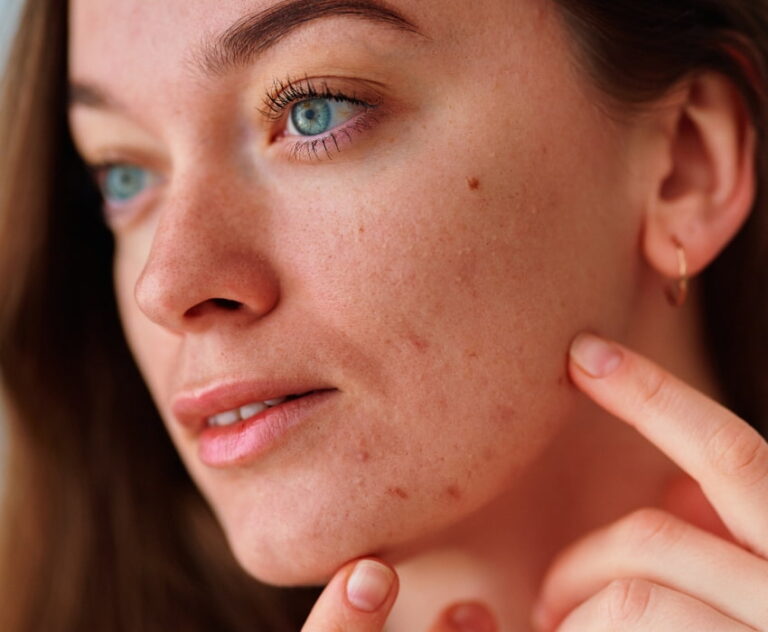
Rosacea is a chronic inflammatory skin condition that is not contagious. It can show up as recurring or persistent redness, visible small blood vessels and inflamed bumps and pustules on the face. Some people mainly notice burning, stinging or a strong feeling of heat. The eyes can be affected as well.
The causes of the condition are not fully understood. Inflammatory processes, the regulation of the blood vessels in the skin and an impaired skin barrier all play a part. Winter weather is therefore not the sole cause of rosacea, but it can make existing symptoms worse.
In winter, several stresses come together. Outdoors, cold and wind irritate the skin; indoors, strong heat can encourage facial redness. Low humidity can dry the skin out. The skin barrier, the protective outer layer of the skin, deserves particular attention. Dry skin and a rosacea flare are not the same thing, although both can occur at the same time. We explain how ordinary winter dryness differs from eczema in our article Dry winter skin or eczema?
A red face after a walk is not enough for a diagnosis. If the redness keeps coming back, does not go away or comes with discomfort, it is worth having it checked. Not everyone reacts to the same situations, and winter does not necessarily make your rosacea worse.
Spotting and easing winter triggers
Pay attention to what actually affects your skin. The overview below helps you put typical everyday situations into context. It is not a list of rules that applies equally to everyone with rosacea.
| Situation | Possible strain | What you can try |
|---|---|---|
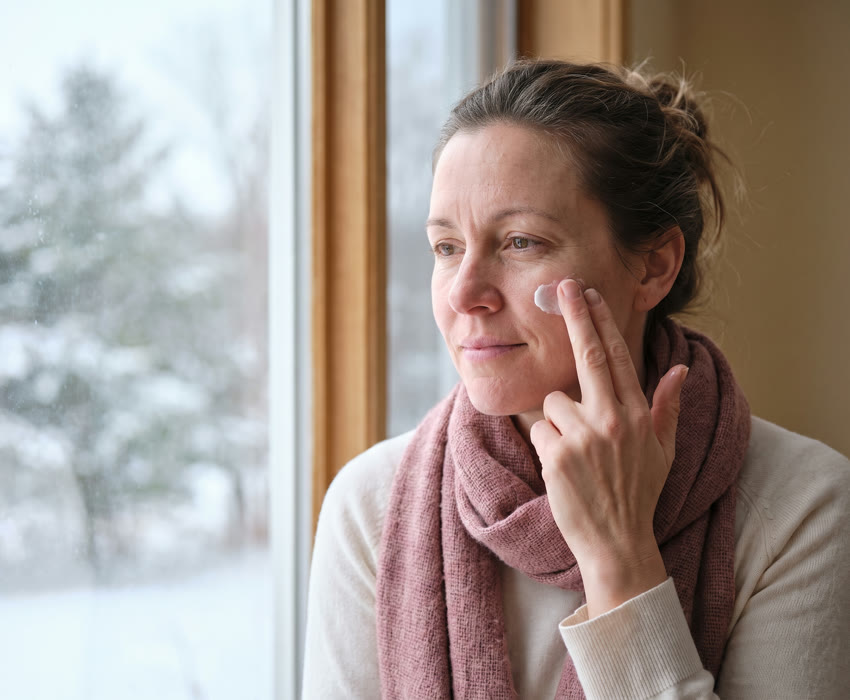
| Cold wind on a walk | Cold and wind can encourage a flare. | Protect your cheeks with a soft, smoothly woven scarf. Avoid rough wool directly against your facial skin. |
| Warming up by a radiator or fireplace | Direct heat and the change from cold to warm can trigger redness. | Keep your distance from the heat source and dress in layers so you can take something off when it gets warm. |
| Hot showers or baths | Strong heat can make symptoms worse. | Choose comfortably warm rather than hot water. |
| Hot tea or mulled wine | The temperature of a drink and alcohol are possible triggers, independently of each other. | Let drinks cool down and, if you notice a link with alcohol, choose an alcohol-free alternative. |
| Winter sun and snow | UV radiation can irritate rosacea, and snow reflects it as well. | Plan for sun protection, especially when spending time in the mountains. |
A short symptom diary can make patterns visible. Note, for example, the weather, time spent in warm rooms, drinks, new skincare products and your symptoms. This helps you ask more targeted questions at your appointment. Single observations do not prove a trigger. Look mainly for recurring patterns, without deliberately provoking your skin.
A gentle skincare routine for cold days
Well-tolerated skincare supports your treatment. What matters is not using as many products as possible, but cleansing the skin gently, keeping it moisturised and protecting it from the sun. There is no need to replace products that work well for you just because the season has changed.
- Cleanse gently: Use a mild, soap-free cleanser and lukewarm water. Apply it with your fingertips and pat your face dry carefully.
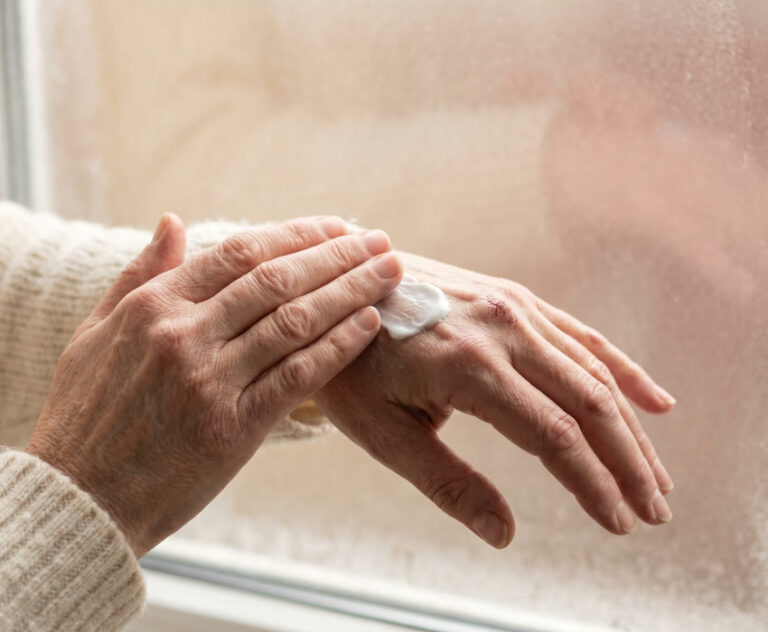
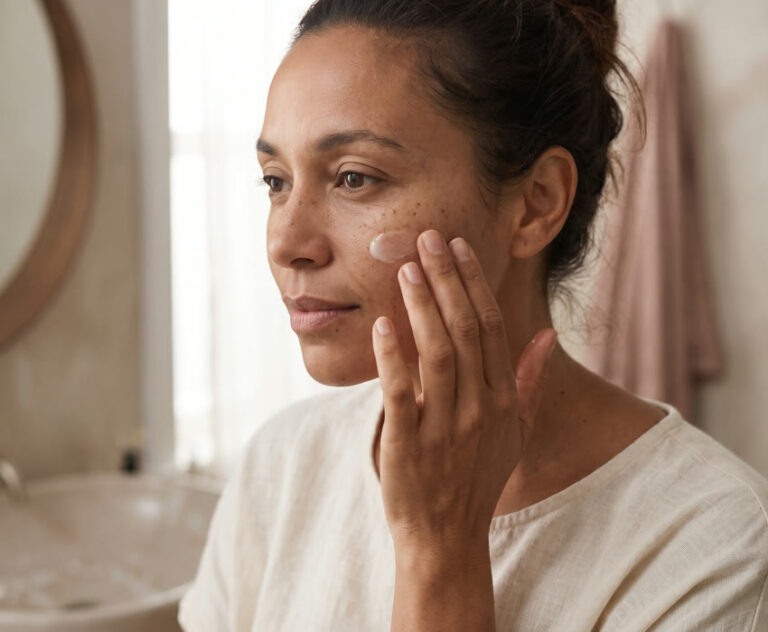
- Moisturise: Choose a well-tolerated, fragrance-free facial moisturiser. Applying it to dry skin often stings less than applying it straight after washing.
- Avoid friction: Skip rough washcloths, cleansing brushes and scrubs. Vigorous massaging can also irritate sensitive rosacea skin.
- Test new products carefully: Try a new product on a small area first before using it on your whole face. If it burns or the irritation increases, stop using it.
The usual winter advice to apply the richest cream possible does not fully apply to rosacea. A high oil content can make symptoms worse. How rich your skincare can be therefore depends on your skin and how well it tolerates a product. A thick layer of grease is not a general solution for winter redness.
Sun protection is part of daily skincare with rosacea. Choose a well-tolerated product with a high sun protection factor that protects against both UVA and UVB radiation. UV exposure is higher in the mountains than in the lowlands, and snow increases it through reflection. Cold temperatures therefore say little about how well your skin is protected.
What helps during a flare-up
If your face starts burning after you come into the warmth, first reduce any avoidable irritation. Move away from direct heat and avoid further hot water or vigorous rubbing. Stick with the skincare you already tolerate well. Extra scrubs or constantly switching between active products can put further strain on irritated skin.
Use prescribed medication according to your treatment plan. Do not change how you use it on your own because your skin temporarily looks better or worse. If you do not tolerate a product or your symptoms are getting worse, have your treatment reviewed. There is no fixed time frame for a flare to settle that applies to everyone.
Do not use cortisone on your own
Cortisone creams are not a general self-treatment for rosacea and can make it worse. If you have been prescribed such a cream for another skin condition, discuss its further use with the doctor treating you.
Which treatments may be considered
Treatment depends on which symptoms are most prominent. Inflamed bumps do not necessarily need the same therapy as permanently visible blood vessels. A good skincare routine and managing your personal triggers complement medical treatment, but do not replace it when inflammation persists.
For inflammatory changes, prescription treatments applied to the skin may be considered. In more pronounced cases, treatment with tablets may be necessary. Which option is suitable depends on the skin findings and your personal situation. Tolerability and how you have responded to previous treatments are also taken into account.
For persistent redness and dilated blood vessels, suitable lasers or intense pulsed light, IPL for short, can help. These procedures do not cure the chronic condition. They are targeted treatments for specific visible changes and not a general quick fix for every flare.
At Swiss Derma Clinic in Zurich, we offer treatment tailored to the skin’s appearance and skincare advice for couperose and rosacea. Our services include topical medication, tablets where the severity calls for them, as well as laser and IPL. You can find an overview of our laser treatments on the corresponding page. Which method makes sense for you requires a dermatological diagnosis.
When to seek medical advice
Have recurring or persistent facial redness checked, especially if burning, pustules or new skin changes appear. Similar symptoms can also be caused by other conditions, such as contact eczema or seborrhoeic eczema. On darker skin, redness is sometimes less clearly visible, so please also mention symptoms such as stinging or a feeling of heat.
The appearance of the skin, the course of the symptoms and possible triggers are all important for the diagnosis. Bring your observations and the names of the skincare products and medication you use to your appointment. Our dermatology practice in Zurich offers dermatological examinations. You can find an overview of rosacea treatment in Zurich on our service page.
Have eye symptoms checked promptly: Red, burning eyes or a feeling that something is in your eye can point to eye involvement. If you have eye pain, sensitivity to light or blurred vision, you need an urgent assessment by a doctor or an eye specialist. Do not wait for a regular dermatology appointment.
Frequently asked questions
Is rosacea always worse in winter?
No. Cold, wind and changes in temperature are possible triggers, but they do not affect everyone in the same way. Other people react more strongly to sun or heat. What matters is how your own skin behaves over time.
Do I have to give up coffee and tea completely?
Not automatically. The high temperature of a drink alone can trigger symptoms. Let it cool down and watch how your skin reacts. A special rosacea diet cannot be recommended in general.
Can I exercise in winter if I have rosacea?
Yes. You do not have to give up exercise. If overheating tends to trigger a flare for you, a lower intensity, a cooler environment and clothing you can adjust may help. When exercising outdoors, protect your facial skin from wind and sun.
Is a moisturiser enough to treat rosacea?
Suitable skincare can ease dryness and irritation. With inflamed bumps, persistent redness or eye symptoms, however, it may not be enough on its own. In that case, treatment should be agreed with a doctor.
This article does not replace a medical examination.