In short: For mild skin complaints without warning signs, a pharmacy can be a sensible first port of call. If symptoms persist, keep coming back, cause real distress or a spot on the skin changes noticeably, a medical assessment makes sense. A dermatologist is particularly important for unclear skin conditions or ones that are difficult to treat. If a sudden skin reaction comes with difficulty breathing, problems swallowing or circulatory symptoms, you need emergency help immediately.
Which point of contact is right?
This overview helps you choose the next step. We explain the most important warning signs in more detail in the section below. It does not replace a diagnosis and cannot be applied on the basis of a photo or the size of a spot alone. The course of the symptoms, any accompanying complaints and your personal situation matter as well.
| Your situation | Sensible next step |
|---|---|
| Mildly dry skin or a few uncomplicated spots, no warning signs | Get advice at a pharmacy and agree on what to do next. |
| Recurring symptoms, no improvement or significant impact on daily life | Arrange a medical assessment, with a dermatologist for unclear or persistent skin problems. |
| A mole that changes noticeably or a spot that does not heal | Contact a dermatologist for an examination. |
| Rash with fever, rapid spread, pain or blisters | Seek medical advice promptly to assess the urgency. |
| Sudden skin reaction with difficulty breathing, problems swallowing or collapse | Call the emergency services on 144 immediately. |
Your GP can also examine skin complaints and arrange a specialist assessment if needed. If you are unsure, describe your main symptoms when you first get in touch and ask directly whether you have come to the right place with your concern.
Warning signs: do not wait
In an emergency: call 144
A sudden skin reaction with difficulty breathing, swelling of the tongue or throat, problems swallowing, severe dizziness or collapse may indicate a severe allergic reaction. In Switzerland, call 144 immediately. Do not wait for advice at a pharmacy or for a regular dermatology appointment.
Even without breathing difficulties, a rash needs prompt medical attention if it comes with fever or a marked feeling of being unwell, spreads quickly, is painful or forms blisters and open areas. The same applies if the eyes, mouth or genital skin are affected. If you notice such signs, contact a medical practice or the on-call medical service straight away so that the urgency can be assessed.
Pus, increasing warmth, swelling and pain can be signs of an infection. Mention these changes explicitly when you get in touch. The first question is then how quickly you need to be seen.
When the pharmacy can help
For mild complaints, advice from a pharmacy is often a good place to start. This applies, for example, to dry skin or mild acne. Ask the pharmacist whether self-treatment suits your situation. You do not need to know the cause beforehand.
Swiss pharmacies advise on skin problems, suitable skin care and medicines. According to pharmaSuisse, referring patients to a doctor is also part of their role. Depending on their assessment, pharmacists may dispense certain prescription-only medicines. Which treatment is suitable depends on the individual case.
Prepare for the consultation: Where is the change? How long has it been there? What have you already used? Mention any other symptoms and, if possible, bring the products you have used or their names. This makes it easier to explain what you have already tried.
Before the conversation ends, ask for a clear plan: How should the recommended product be used? How will you know whether the treatment is working? When should you get back in touch or see a doctor? An agreement like this is more helpful than a general rule about how long any skin problem may be treated at home.
When to see a dermatologist
Persistent itching and recurring eczema
If itching is severe, disrupts your daily life, affects the whole body or does not improve despite self-care, you should have it checked by a doctor. Recurring complaints belong in this category too. If eczema cannot be controlled adequately with the current treatment, a dermatological examination can be useful.
With contact dermatitis, identifying the trigger plays an important role. Note down whether the symptoms are linked to skin care products, cleaning products or your work. Our service page explains how we assess and treat eczema.
Acne with pain, scarring or distress
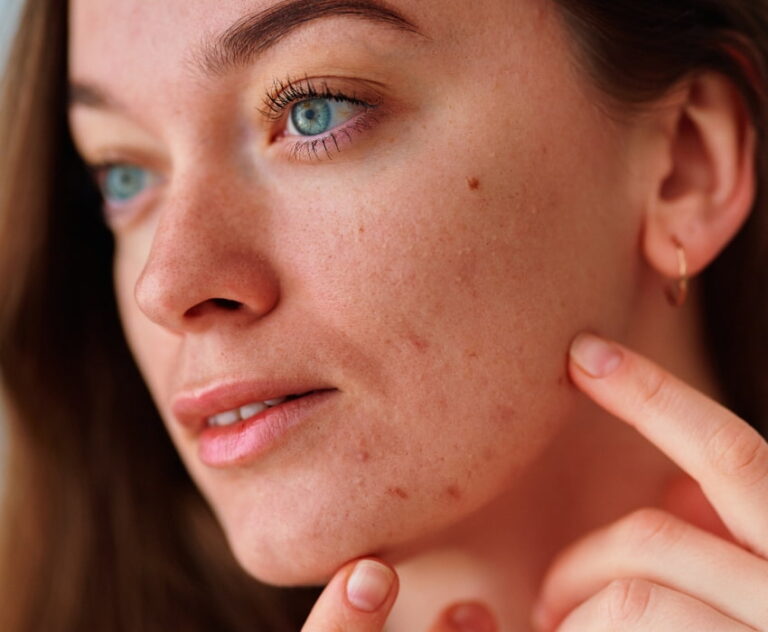
Individual spots can first be discussed at a pharmacy. Deep, painful nodules, developing scars or a large number of blemishes call for a medical assessment. The same applies if previous treatments have not helped. For pronounced or hard-to-treat acne, a dermatologist can take over the treatment.
Emotional distress counts too. If you withdraw from others or feel very uncomfortable because of your skin, that is a legitimate reason to seek help. You do not have to wait until the acne becomes more severe. You can find information about our services under acne assessment and treatment.
Conspicuous moles and spots that do not heal
Have a mole examined if it changes noticeably, grows quickly, bleeds or weeps. A spot that looks like a wound and does not heal should also be assessed by a doctor. A cancer diagnosis cannot be made at home. The examination is there to clarify what is really behind the change. A skin care product cannot replace this assessment.
What helps until your appointment
For dry, itchy skin, fragrance-free care, lukewarm rather than hot showers and a cool, damp cloth can bring relief. Try to avoid scratching. If your skin reacts to a newly used care product, get advice before you continue using it.
Do not choose medicated creams solely because a rash looks similar to one you have seen before. The right treatment depends on the cause. With cortisone creams, for example, the area of the body and the strength of the product play a role. Ask for the application to be explained and follow the instructions you receive.
It is worth having this information ready for the consultation:
- When it started, which areas are affected and what changes you have noticed.
- Symptoms such as itching, pain or fever.
- Skin care products and medicines you use, including any you have recently started.
- Previous treatments and what you observed.
- Your most important questions and how much the problem affects your daily life.
If you already have photos showing how the problem has developed, you can show them at your appointment. Note when each was taken. They help the conversation, but they do not replace the examination.
Assessment at Swiss Derma Clinic
As a dermatology practice in Zurich, we at Swiss Derma Clinic examine and treat conditions including acne, eczema, atopic dermatitis and psoriasis. Our services also include allergy testing and the examination of moles. You can find an overview on our dermatologist in Zurich page.
For mole checks we use a dermatoscope. Conspicuous pigmented moles can be documented digitally and compared at later examinations. Which examination suits your symptoms has to be decided individually.
When you book an appointment, describe your concern as precisely as possible and mention any warning signs. You will find our contact options on our page on dermatological examinations. To prepare, you can write down your questions: What is the likely cause? Are further tests needed? What happens after the first treatment? In an emergency, follow the route described above and seek immediate medical help.
Frequently asked questions
How long can I treat it myself?
A fixed time limit does not suit every skin problem. When you get advice, agree on when you should get back in touch. If there is no improvement or the symptoms return, a medical assessment makes sense. If warning signs appear, do not wait for the agreed follow-up.
Do I always have to go straight to a dermatologist?
No. A pharmacy can advise on mild complaints, and your GP can examine you and start treatment. Dermatological care is particularly useful for unclear findings or skin conditions that are hard to treat. Conspicuous moles should be examined by a dermatologist.
Is itching without a visible rash harmless?
That cannot be judged from the absence of a rash alone. Itching has various possible causes, some of them outside the skin. If it is severe, persistent or affects the whole body, it should be assessed by a doctor.
What about itching during pregnancy?
Discuss it with your doctor or midwife. Itching in pregnancy should be investigated because, besides skin problems, other causes are possible. At the same time, ask which skin care or treatment is suitable for you.
This article does not replace a medical examination.