Key facts
Allergy immunotherapy can treat the underlying cause of selected allergies, especially pollen allergies, house dust mite allergy, insect venom allergy and certain animal allergies. Depending on the allergen, treatment is administered as regular injections under the skin or as tablets or drops under the tongue. It usually continues for several years.
When is allergy immunotherapy recommended?
We may recommend allergen-specific immunotherapy when there is:
- a confirmed allergy
- insufficient relief from medication
- a high level of allergen exposure in everyday life
- a wish to reduce the need for medication
- a risk of developing allergic asthma
Our recommendation depends on the type of allergy, your age, medical history and general health. These factors also influence the individual dosage.
Which allergies can be treated?
This form of therapy is well established for:
- pollen allergies, such as grass, birch or weed pollen
- house dust mite allergy
- insect venom allergy to bees or wasps
- selected animal allergies
- Food allergies are not currently part of standard allergy immunotherapy.
How does treatment work?
An allergy occurs when the immune system reacts excessively to substances that are normally harmless. During immunotherapy, the relevant allergen is introduced in a precisely controlled dose.
The immune response gradually changes and inflammatory reactions become less pronounced. This process takes time, and treatment therefore continues over an extended period.
Injections, tablets or drops?
Different forms of treatment are available depending on the allergen.
Subcutaneous immunotherapy (SCIT)
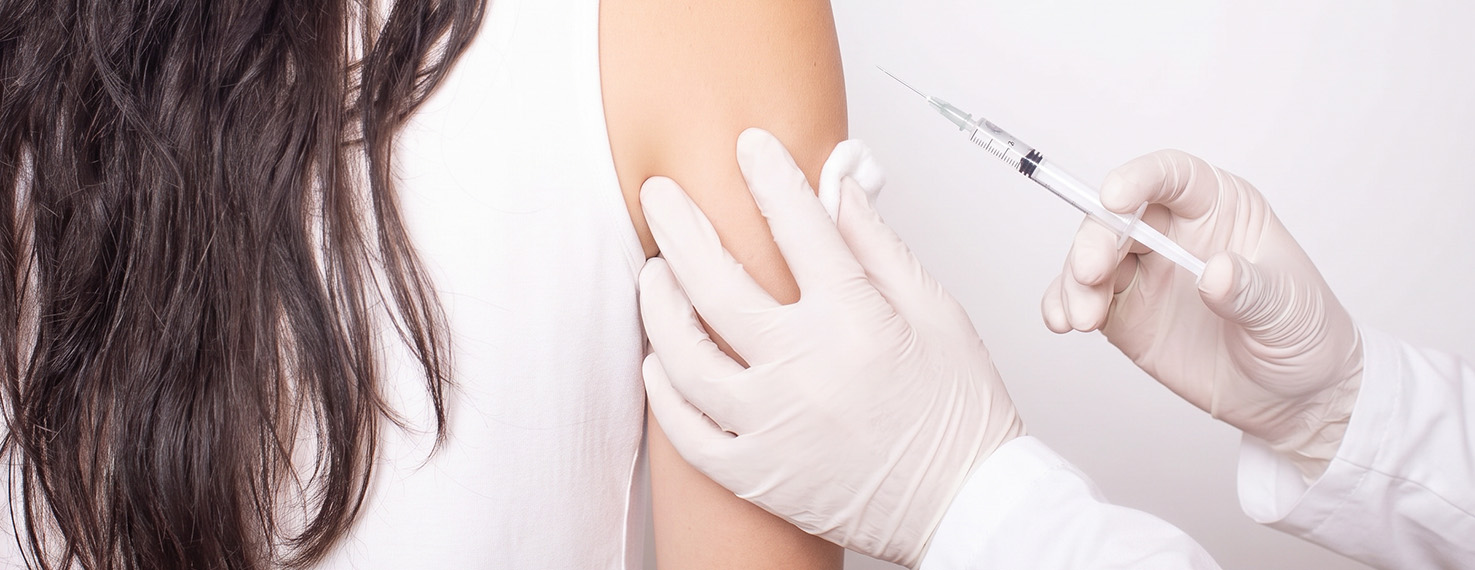
With SCIT, the allergen is injected under the skin. After a build-up phase, injections are given at regular intervals at our practice in Zurich. A short observation period is required after every injection.
Sublingual immunotherapy (SLIT)
The allergen is taken daily in the form of tablets or drops placed under the tongue. The first dose is administered under medical supervision at the Swiss Derma Clinic; subsequent treatment usually takes place at home.
How long does treatment take?
Allergy immunotherapy generally continues for three years. Initial improvement may become noticeable during the first pollen season or within the first few months. The full effect develops over the further course of treatment.
What side effects are possible?
Common side effects include mild redness, swelling or itching at the injection site or in the mouth.
Severe allergic reactions are rare. Injection therapy is always carried out under medical supervision and followed by an observation period at our practice.
Your treatment at the Swiss Derma Clinic
A comprehensive allergy assessment is carried out before immunotherapy begins. If the triggering allergen can be clearly identified and treatment is medically appropriate, we may recommend allergen-specific immunotherapy.
Our team supports you throughout treatment with regular reviews and reassessment of the treatment course.
Your treating doctor in Zurich
The dermatological and allergy assessment is provided at the Swiss Derma Clinic by Dimitrios Argyropoulos, a doctor specialising in dermatology and aesthetic medicine. His focus is on the careful assessment of skin changes and allergy-related complaints and on treatment tailored to the individual patient.