In brief
A food allergy is the result of an excessive reaction of the immune system to certain substances. Symptoms include rashes, redness, swelling, itching or complaints in the gastrointestinal area.
At the Swiss Derma Clinic we look at your medical history, carry out tests and assess whether an allergy is actually present and which treatment is effective.
When you should think of a food allergy
Typical of a food allergy is that the complaints occur a short time after eating. Some reactions are mild, others can be considerably stronger. Recurring complaints or reactions to several foods are striking.
Common symptoms:
- itching or tingling in the mouth
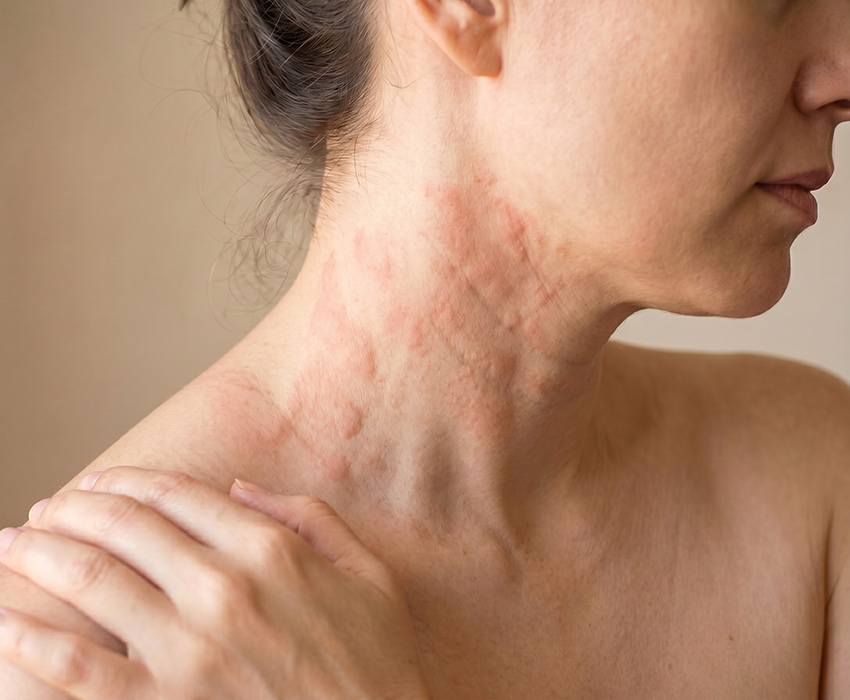
- skin rashes or hives
- swelling of the lips, tongue or eyelids
- abdominal pain, nausea or diarrhoea
- breathing difficulties or circulatory reactions
Food allergy or intolerance?
With a genuine food allergy the immune system reacts to certain protein components – so-called IgE-mediated reactions. These reactions can occur very quickly and vary in severity.
Intolerances proceed differently; the symptoms are often milder. They are not a classic immune reaction. Examples are lactose intolerance or reactions to additives.
Diagnostics, treatment and dietary recommendations differ depending on the allergy and intolerance.
Common triggers of food allergies
- nuts and peanuts
- cow’s milk
- eggs
- fish and seafood
- soy
- wheat
- certain types of fruit and vegetables
Cross-reactions play an important role. People with pollen allergies sometimes also react to apples, nuts or stone fruit. This so-called oral allergy syndrome is one of the most common pollen-associated cross-reactions.
Your treatment in Zurich
First we discuss your complaints. We ask when exactly a reaction occurs, which foods are involved and how strong the symptoms are.
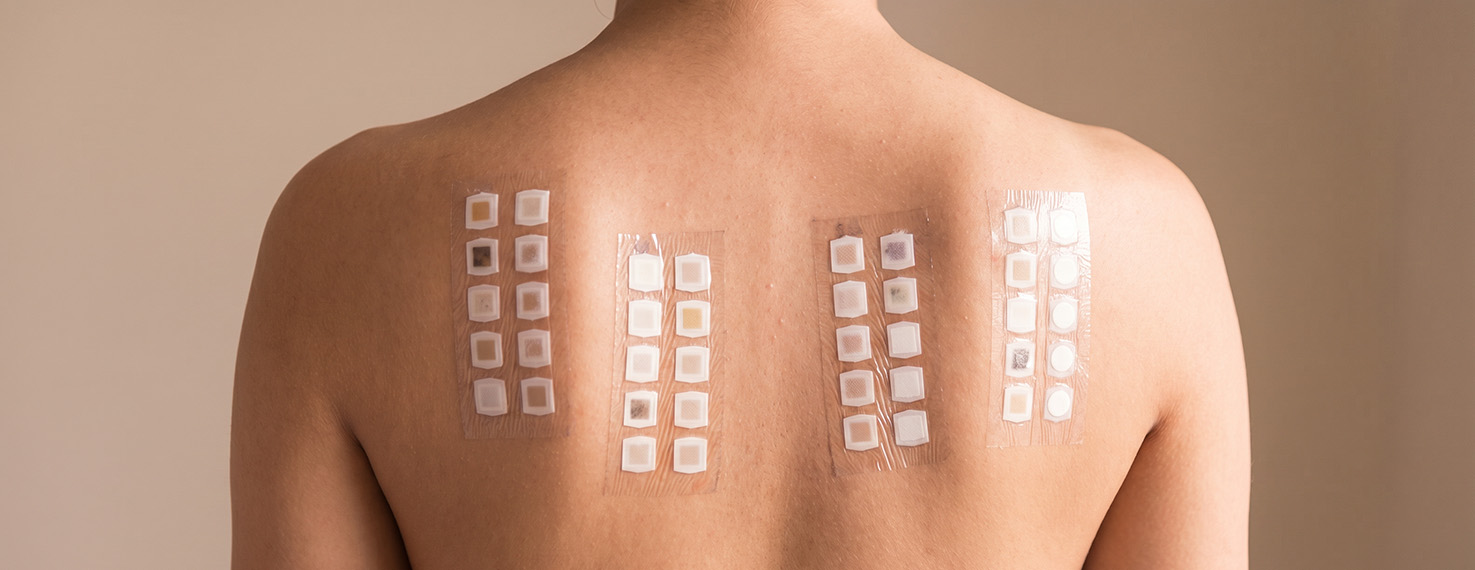
Depending on the situation, skin tests or blood tests are carried out. Of particular interest here are allergological markers.
A positive allergy test alone does not automatically mean that a clinically relevant allergy is present. The decisive factor is the combination of complaints, medical history and testing.
Keep away from self-diagnosis
Many people avoid foods for months or years without a confirmed diagnosis. This restricts them unnecessarily.
Internet self-tests or unvalidated procedures do not provide reliable results. An allergological examination is always necessary for this. At the Swiss Derma Clinic this is carried out by experienced specialists in dermatology and allergology.
The right way to handle a food allergy in everyday life
The most important measure: avoid known triggers. At the same time, the diet should remain balanced.
Depending on the allergy, it can make sense to carry emergency medication.