In short: Dry, red facial skin in winter usually benefits from gentle cleansing, a well-tolerated cream and fewer irritating skincare steps. The key is to support the skin barrier and limit further moisture loss. In winter, whether you need sun protection depends on UV exposure, especially in the mountains and on snow. If the redness persists, the skin burns noticeably or new skin changes appear, the cause should be clarified by a doctor before any cosmetic treatment.
Why your face feels tight in winter
Cold, dry air outdoors and heated rooms indoors can take their toll on facial skin. Hot water, harsh cleansers or too many skincare products with irritating ingredients sometimes add to the problem. The skin then feels rough, tight after washing or shows fine flaking. When dryness is pronounced, it can also become inflamed.
The skin barrier sits in the outermost layer of the skin. Skin cells and the lipids between them help hold in moisture and keep out external irritants. When this protective function is impaired, the skin loses water more easily. Suitable care should therefore both attract moisture and reduce water loss.
Redness on its own does not tell you which kind of care is missing, though. An intolerance or a skin condition may also be behind it. More cream is therefore not automatically the right answer. Notice whether your symptoms appear mainly after cleansing, after a new product or independently of either.
Cleansing without extra irritation
Choose a mild, ideally fragrance-free cleanser for dry or sensitive skin. Apply it with your fingertips to your damp face, rinse with lukewarm water and pat your skin dry with a soft towel. Vigorous rubbing, cleansing brushes and rough washcloths can irritate the skin further.
Cleanse your face gently in the morning and evening and avoid extra washes without a reason. After heavy sweating, cleansing makes sense. If your skin feels uncomfortably tight after every wash, it is worth looking at the product and the water temperature. A strong feeling of tightness is not a sign of particularly thorough cleansing.
Then apply your skincare while the skin is still slightly damp. With dry skin, this can help hold in moisture. If even a simple cream stings or burns noticeably, have its tolerability and the condition of your skin checked instead of layering more and more products on top.
Building a simple skincare routine
For dry skin, a cream is often more suitable than a very light lotion. You do not have to replace your entire routine. Start with a product you tolerate well and adjust its richness to the different areas of your face. A dry cheek may need more care than an oily forehead.
It helps when a cream combines different tasks: glycerin or hyaluronic acid attract moisture, while dimethicone or petrolatum, for example, limit water loss. Ceramides are among the skin’s own lipids and can be part of a skincare product. No single ingredient makes a product right for every skin. What matters is the overall formulation and how well you tolerate it.
| Situation | Useful skincare step | What to keep in mind |
|---|---|---|
| In the morning after cleansing | Apply a cream you tolerate well. | Care for dry areas in a targeted way. Oilier zones do not need the same richness. |
| Before spending time outdoors | Add sun protection suited to the UV exposure. | If you use separate products, sunscreen goes on after your moisturiser. |
| In the evening after cleansing | Moisturise again, with a richer texture if needed. | A separate night cream is not essential if your existing cream suits you well. |
| When tightness returns | Reapply to dry areas as needed. | Do not cover up recurring burning or a spreading rash with more and more skincare. |
When the skin barrier is irritated, cosmetic retinol products, exfoliants and toners with a high alcohol content should be paused for now. This does not mean you should stop medication prescribed by a doctor on your own. If a prescribed treatment irritates your skin, discuss an adjustment with your doctor.
Fragrance-free is a sensible guide for sensitive winter skin. Plant-based products or those marketed as natural can also cause irritation. Urea does attract moisture, but it can sting on cracked or scratched skin. You do not have to use an ingredient like this just because it is often recommended for dry skin.
Sun protection in the Swiss winter
Cold weather says little about the strength of UV radiation. In the mountains, exposure increases with altitude, and snow reflects additional UV rays. On a ski day or a winter hike, sun protection is therefore part of caring for your face.
The Swiss Cancer League distinguishes by season and region: from November to February, UV radiation in the Swiss Central Plateau is usually weak, so little sun protection is normally needed. This does not apply when you spend time in the mountains. If you are particularly sensitive to light or have had a treatment, follow your doctor’s advice regardless.
When sun protection is needed, the Swiss Cancer League recommends at least SPF 30 and a UVA symbol. For outdoor activities, it recommends at least SPF 50. Apply enough product to all uncovered areas of your face and to your ears. Reapply after sweating or rubbing. A well-tolerated sunscreen complements protective clothing, sunglasses and shade.
What facial treatments can do
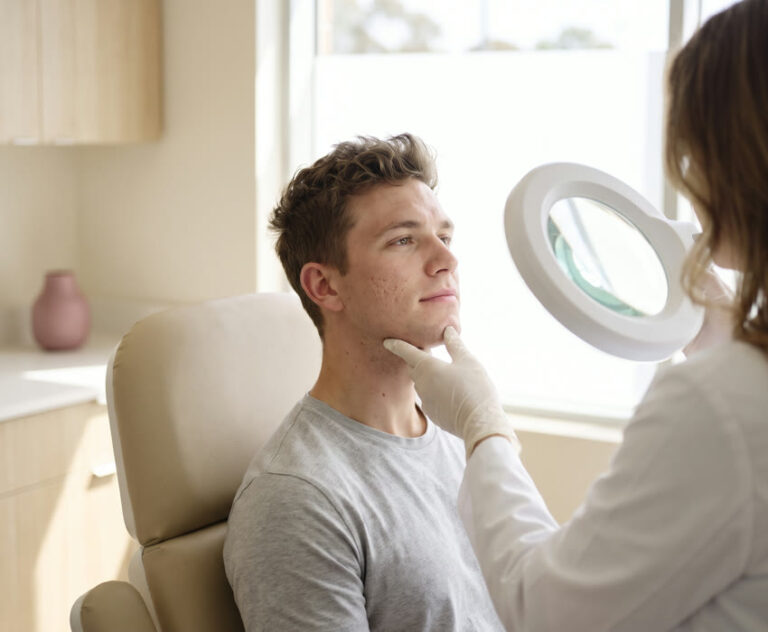
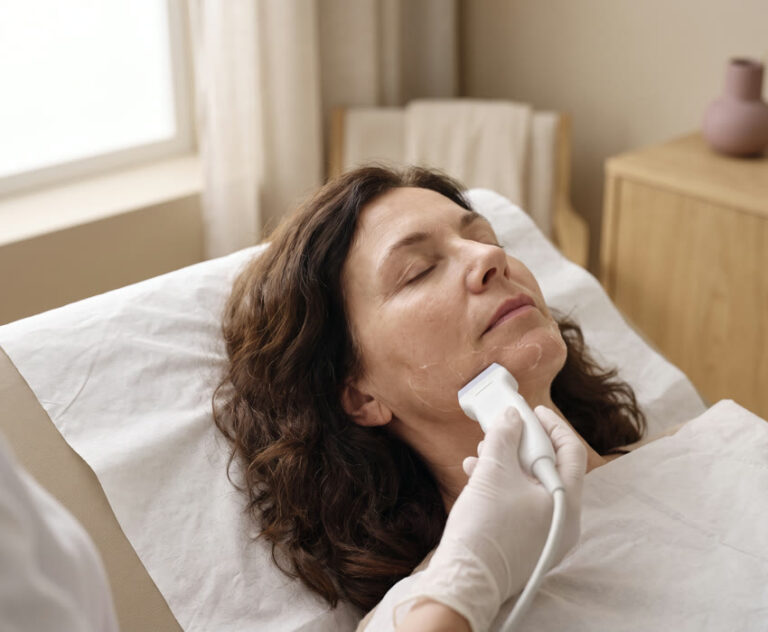
A medical-cosmetic consultation can help tailor your skincare to the condition of your skin. At Swiss Derma Clinic in Zurich, we offer cosmetic facial treatments with consultation, cleansing and hydrating care. Whether a treatment makes sense for you depends on whether dryness is the main issue or whether inflammation needs to be assessed.
Our skin analysis takes into account skin type, moisture levels, the skin barrier and redness, among other things. From this, we can derive recommendations for your daily skincare and, where appropriate, further treatments. Bring the names of the products you use. A cosmetic serum or a frequently used exfoliant can also matter for the assessment.
Flaky skin does not automatically need a peel
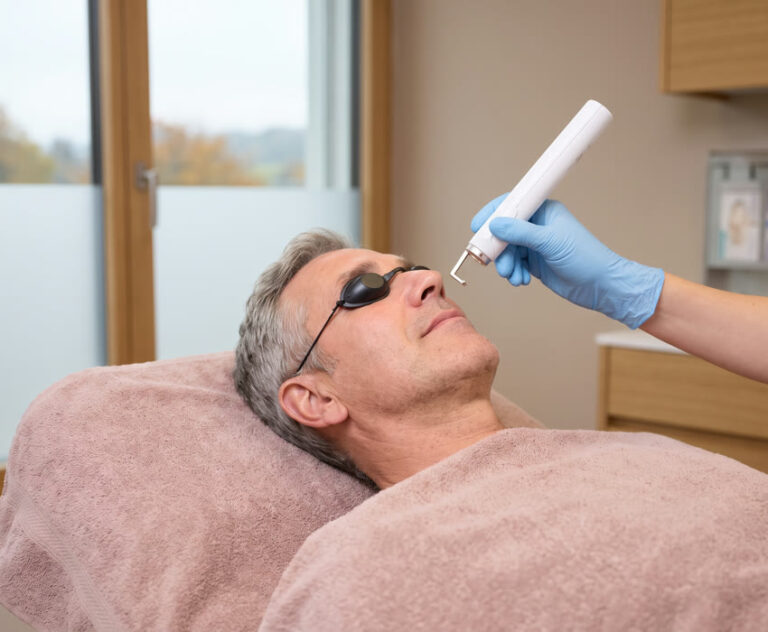
On dry, irritated facial skin, additional exfoliation can make symptoms worse. Chemical peels act specifically on the skin surface and can themselves cause redness and irritation. They are therefore not a quick fix for red winter skin. The condition of the skin and the cause should be clarified first.
A professional hydrating treatment can complement your routine at home. However, it cannot be expected to repair the skin barrier permanently or to last for a fixed period. If a skincare product is not tolerated or a skin condition is present, the cause has to be taken into account. A cosmetic treatment does not replace this assessment.
When redness needs a medical check
Have your face examined if the symptoms persist, worsen or keep coming back despite gentle care. This applies especially to persistent burning, severe itching, painful cracks, weeping skin or new bumps. A reaction to products you previously tolerated well also deserves attention.
Small bumps around the mouth or nose, for example, are a reason not simply to keep applying richer creams. With certain facial rashes, heavy occlusive skincare can be unhelpful. What the cause actually is cannot be reliably determined from a distance. Our dermatology practice in Zurich offers the appropriate dermatological assessment.
If an area of skin becomes painful, hot and swollen, seek medical help promptly, especially if you have a fever or feel clearly unwell. Do not wait for a cosmetic appointment.
For a more detailed look, see our separate articles “Dry winter skin or eczema?” and “What triggers rosacea flare-ups in winter?”.
Frequently asked questions
Is a hyaluronic acid serum enough for dry cheeks?
Hyaluronic acid can attract moisture. A light serum, however, does not automatically provide enough protection against water loss. For dry cheeks, a well-tolerated cream can also be useful. A separate serum is not a necessary step if your cream already cares for your skin well.
Should I apply a thick layer of cream to my whole face?
Not as a rule. Go by the individual areas of your face. With combination skin, the cheeks may be dry while the forehead, nose and chin need less rich care. Very occlusive products can encourage blemishes or certain facial rashes in some people.
Does a cream have to tingle to work?
No. Tingling or burning is no proof of a better effect. If the discomfort is marked, persists or your skin reacts with increasing irritation, stop using the cosmetic product that triggers it and seek advice.
How quickly will my skin calm down?
A fixed timeframe cannot honestly be given. It depends on the cause, how strong the irritation is and how well you tolerate your skincare. If symptoms persist or get worse, an examination makes more sense than waiting for a promised recovery time.
Do I need a facial treatment in winter?
No. Suitable skincare at home can be enough for simple dryness. If you would like support in choosing products, a consultation about our facial treatments can be helpful. With marked or unexplained redness, a dermatological assessment should come first.
This article does not replace a medical examination.