In brief
Animal hair allergy is widespread above all in industrialised countries and mainly affects the airways. The triggers are secretions from cats, dogs, horses or rodents, for example. The diagnosis is made on the basis of the complaints and allergological tests. Treatment includes reducing the allergen exposure, medication and, in certain cases, specific immunotherapy.
Which animals frequently trigger allergies
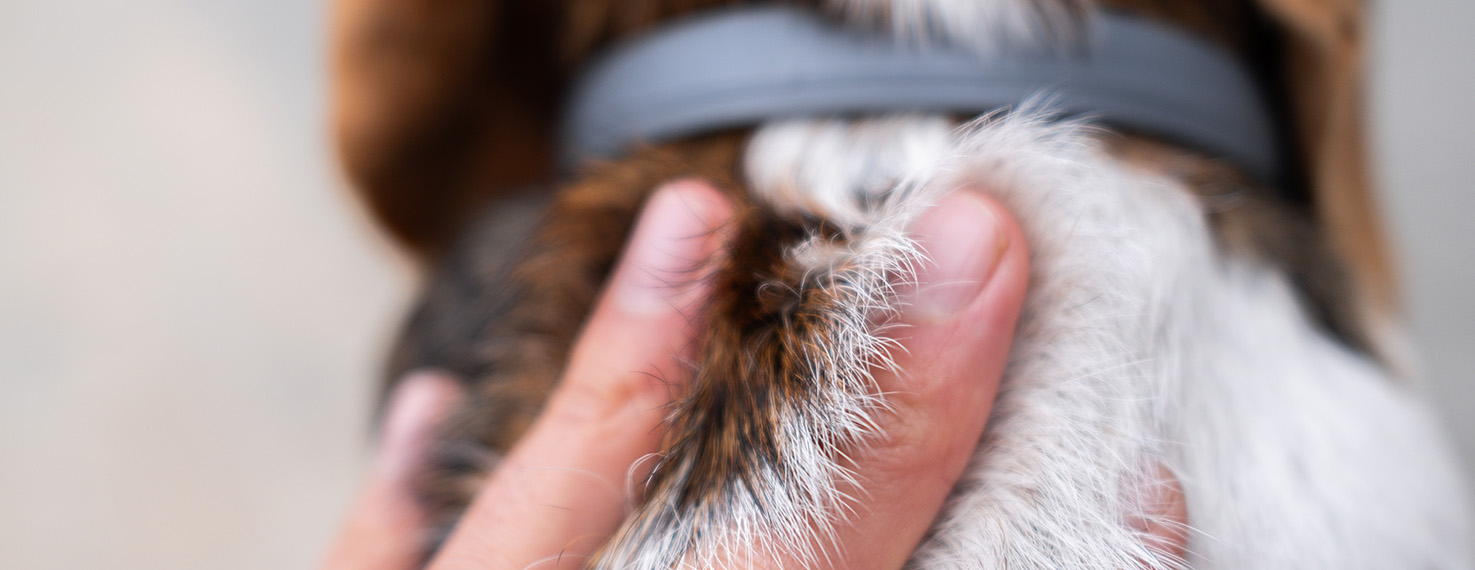
Cats are considered a common trigger of animal hair allergy. The cat allergen spreads particularly easily and reaches distant rooms via clothing.
Dogs, horses, rabbits, guinea pigs, hamsters or other small animals can also cause allergic reactions. Besides the species of animal, the severity of the complaints depends above all on the individual sensitivity of the immune system.
Symptoms
The complaints primarily affect the mucous membranes and airways:
- sneezing and a runny nose
- blocked nose
- reddened or watering eyes
- itching of the eyes, nose or throat
- coughing or the urge to clear the throat
- breathing difficulties
- in severe cases asthmatic complaints
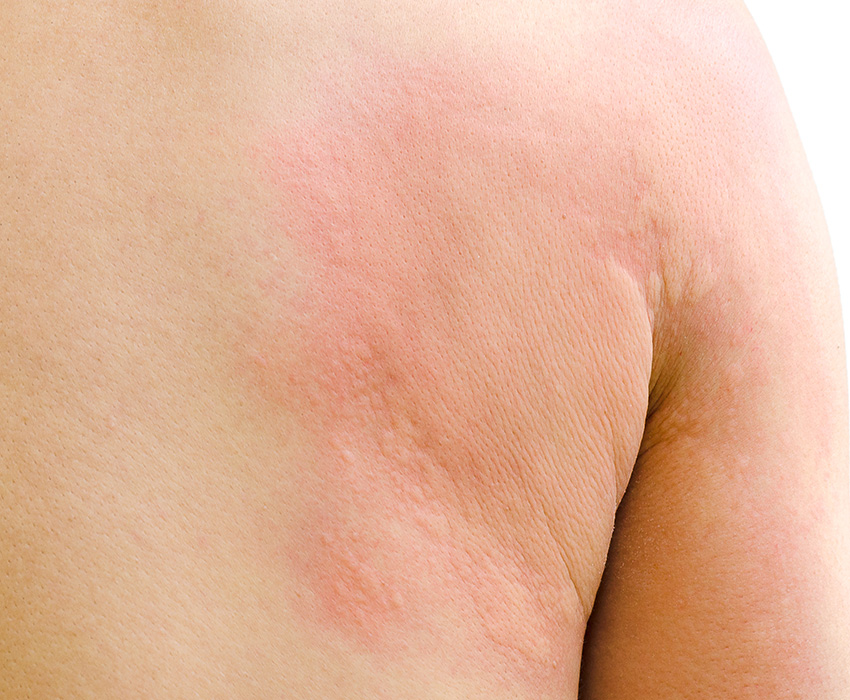
Some people experience skin reactions after direct contact with the animal, for example redness, itching or weals.
Animal hair allergy and asthma
If contact with the allergen persists over a longer period, it can also affect the lower airways and cause coughing, wheezing or shortness of breath.
If respiratory complaints are already known, we recommend an allergological assessment. It is important to recognise connections between allergy and asthma early in order to counteract them effectively.
Sound diagnostics in Zurich
At the Swiss Derma Clinic in Zurich we first record your complaints. We are interested in when the symptoms occur, how they manifest themselves, which animals are involved and whether the complaints intensify in certain situations. It is also of interest whether you additionally suffer from chronic skin diseases such as atopic dermatitis and whether further allergies are known.
In addition we carry out skin tests or blood examinations and determine specific IgE antibodies against various animal allergens. Interpreting the results is important: not every sensitisation automatically leads to complaints.
Treatment of animal hair allergy
The most effective measure is to reduce contact with the triggering allergens. In everyday life this is not always easy, particularly when a pet is part of the family.
Anti-allergic medication such as antihistamines or anti-inflammatory nasal sprays can be used for treatment.
Sometimes specific immunotherapy can be useful. The immune system is gradually accustomed to the allergen over a longer period.
Does the pet always have to be given away?
This is a question that concerns most of those affected. There is no blanket answer.
The decision depends on the severity of the complaints, the extent of the allergy and possible concomitant conditions such as asthma. In many cases the allergen exposure can be reduced by suitable measures. That is the first step. Only afterwards is it assessed whether further steps are necessary.
Your specialists in Zurich
The assessment at the Swiss Derma Clinic is carried out by experienced specialists in dermatology and allergology.
With animal hair allergies in particular, the precise attribution is important: is there really an animal allergy, which animal is responsible and which treatment options are available? We are specialised in these questions.