Dermatology

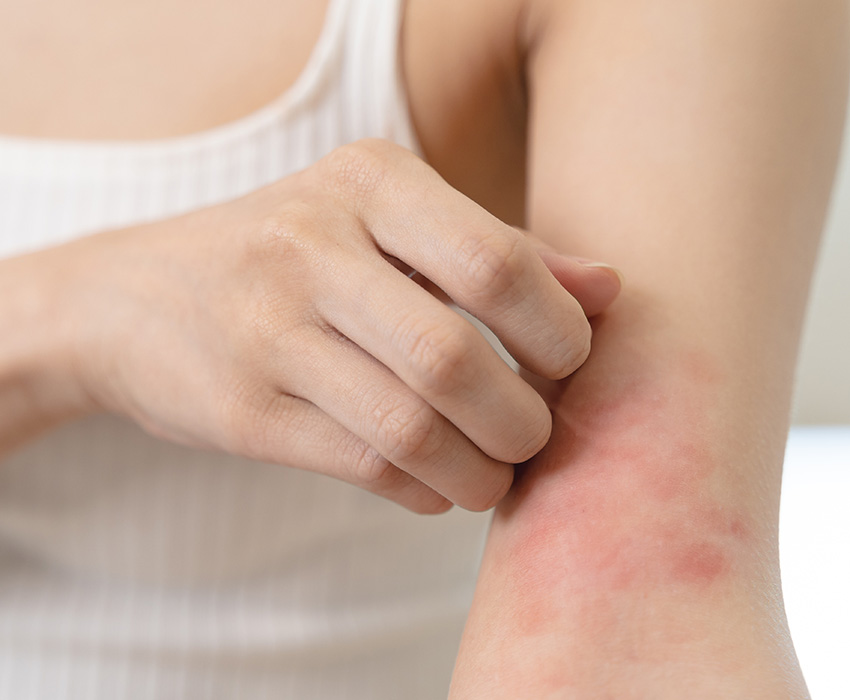
In the case of an aller­gy, the immu­ne sys­tem reacts exces­si­ve­ly to sub­s­tances that come into cont­act with the skin or mucous mem­bra­nes. Itching, ecze­ma, hives, swel­ling or chro­ni­cal­ly irri­ta­ted skin are the visi­ble and noti­ceable con­se­quen­ces. We can nar­row down the pro­blem with the help of aller­gy tests. In the best case sce­na­rio, we can iden­ti­fy the trig­gers and con­trol the aller­gy well in the future. We can usual­ly get the sym­ptoms under con­trol quickly.

Read more

Briefly explained: What allergy means

An allergy is an over-motivated reaction of the immune system to substances that are actually harmless (allergens). This results in typical symptoms on the skin or mucous membranes. From allergic contact dermatitis and hives to eczema, allergic asthma or hay fever. The list of possible reactions is long.


Frequent allergic skin reactions:

  • Allergic contact dermatitis: Occurs, for example, on contact with metals, fragrances or preservatives. The skin becomes red, scaly and itchy.
  • Hives (urticaria): This occurs suddenly, for example after eating certain foods, insect bites, medication or environmental allergens. The skin "blossoms" (wheals) and itches.
  • Eczema: Often an ongoing issue for sensitive skin and chronic skin conditions.


How do we diagnose your allergy in Zurich?

At the Swiss Derma Clinic, we get to the bottom of your allergy individually. Your medical history, current symptoms and life circumstances are all taken into account in the diagnosis. Proven allergy tests are:


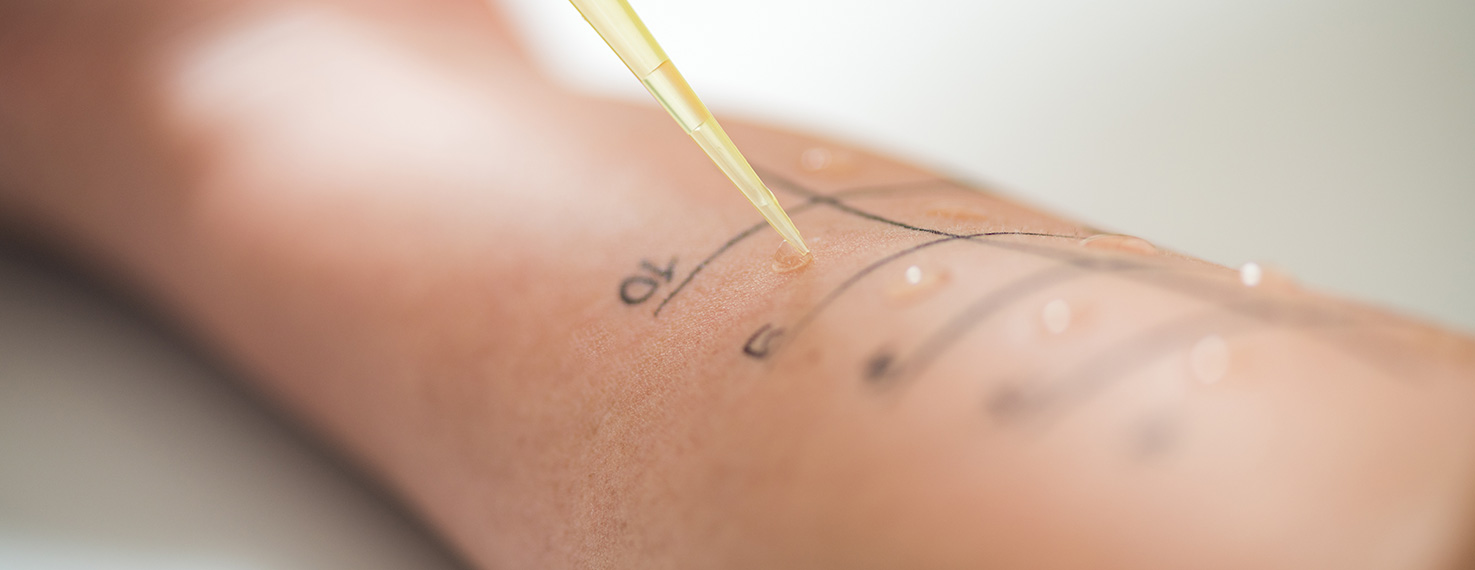
Prick test

Diluted allergen solutions (e.g. pollen, house dust mites, animal hair) are applied to the skin on the forearm and the skin is lightly scratched. Within minutes you will see whether your immune system reacts.


Epicutaneous test (patch test)

Small patches with allergens are stuck to the back for 48 hours. We then evaluate the skin reactions. This test is particularly suitable for contact allergies.


Blood-based tests

We use a blood sample and special measurement methods (e.g. IgE determination) to check whether your immune system reacts to certain allergens. One appointment is sufficient for most blood tests, but several visits are necessary for the epicutaneous test.


Inhalation provocation test

Inhalation provocation test: Special tests are sometimes used when there is a tickle in the airways. The mucous membranes of the nose and bronchial tubes are confronted with possible allergens under controlled conditions. We measure the reaction directly on site under medical supervision.


What happens after the allergy test?

Once the culprit has been identified: avoid the trigger! This sometimes works quite easily - for example with certain fragrances or foods. With other allergies, such as house dust mites or pollen, avoidance is difficult. In such cases, we offer hyposensitization: The immune system gradually becomes accustomed to the allergen and ideally reacts more and more calmly.

For acute symptoms, we prescribe anti-allergic medication, whether as tablets, eye drops or inhalation sprays. This usually helps us to get the symptoms under control quickly. We will decide together with you which treatment is best for you.

We always have an open ear for your questions. Make your appointment here at the Swiss Derma Clinic in Zurich.
Allergietest Zürich

FAQ

Allergietest Zürich

What is an allergy test?

With an allergy test, we can determine whether a person is allergic and to which substances. Common allergy tests are epicutaneous tests, also known as patch tests, prick tests, blood-based allergy tests and provocation tests. Which one is used when is always decided by a specialist and individually based on the pattern of symptoms.

When should an allergy test be carried out?

An allergy test is useful if allergy-like symptoms such as sneezing, skin rash or shortness of breath occur and the triggering cause is unclear. The same applies if you are known to have certain skin diseases or other allergies.

Are allergy tests painful or unpleasant?

Most allergy tests are not painful. You may feel a slight prick during the prick test, but this can be a little uncomfortable at best.

How does a prick test work?

In a prick test, we apply small amounts of various allergens to the skin. To do this, the skin on the forearm is minimally scratched. If there is redness or swelling, then there is probably an allergy.

How long does an allergy test in Zurich take?

This depends on the type of allergy test. We need about 30 minutes for a prick test, an epicutaneous test can take several days. We may also carry out different tests on different days.

How are allergies treated?

If the trigger of the allergy is known, various medications, hyposensitization, supportive skin care and consistent avoidance of the allergen can be considered.

What are the most common allergies?

Allergies to house dust mites, certain foods, animal hair and pollen (hay fever) are very common.

Our Q&A texts are by no means a substitute for a medical consultation. For an individual and well-founded medical assessment, we recommend a personal consultation at the Swiss Derma Clinic. We are happy to take the time for you!

Table of contents
Search
Jetzt anrufen
WhatsApp schreiben
Mail verfassen
Contact on WhatsApp
Option auswählen
Consultation 1st Visit
Select your option
Consultation 1st Visit
All dates

December 24, 2024, to December 27, 2024: No dermatology consultations or aesthetic treatments.

December 23, 2024, December 30, 2024, and December 31, 2024: Dermatology consultations available.

December 24, 2024, December 27, 2024, and December 28, 2024: Cosmetic treatments available.

December 20, 2024, and December 31, 2024: Cosmetic treatments available.

January 1, 2025, to January 2, 2025: No cosmetic treatments or dermatology consultations.