In short: If you have oily skin with blackheads, a superficial chemical peel can clear blocked pores and make them look less noticeable. If what bothers you most are small dents left behind by acne, medical microneedling is usually the more suitable option. Visible pores on their own are a normal part of the skin and not a medical reason for treatment. There is no scientific evidence that either method permanently shrinks pores or works better than the other for this purpose.
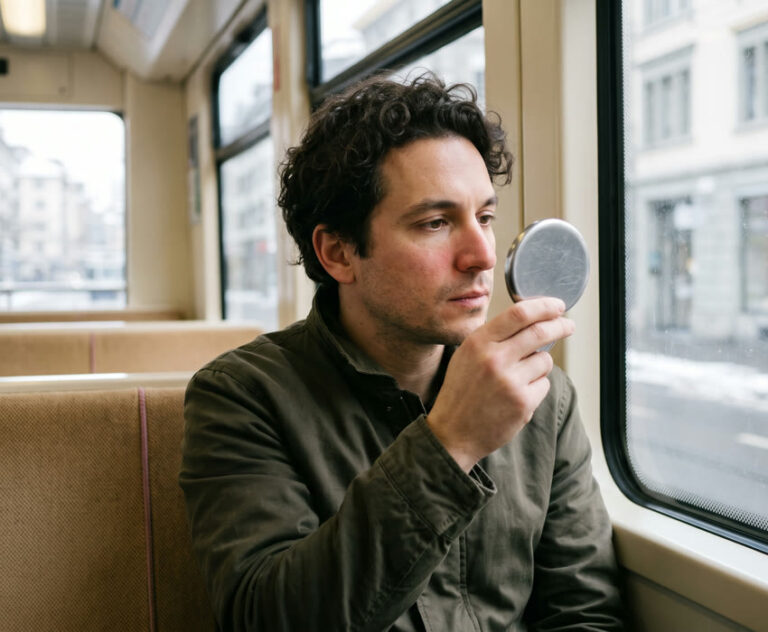
What do you see in the mirror?
Pores are most noticeable on the nose and next to the nostrils. These small openings carry sebum to the surface of the skin. How clearly they show depends on factors such as how much oil your skin produces, how large the hair follicle beneath is and how elastic the surrounding tissue is. Sun damage and age also play a part. This is why enlarged pores can be visible even in people who hardly ever get a spot.
When choosing a treatment, it helps to look closely at individual areas. An open blackhead has a dark plug of sebum and skin cells in the centre. The dark colour comes from pigment at the surface and is not a sign of poor hygiene. If, on the other hand, the skin is sunken exactly where an inflamed spot used to be, it may be a small acne scar. There is nothing inside this dent that could be removed.
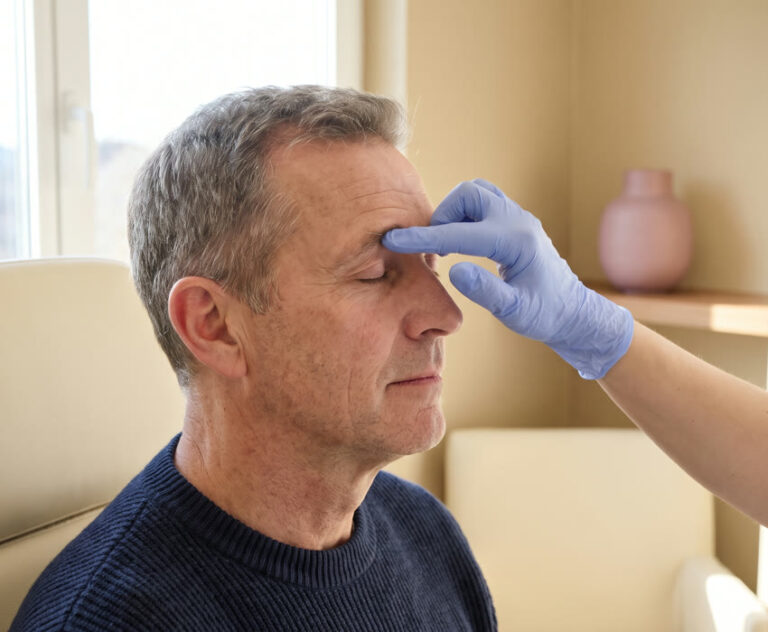
Both can appear on the same face. Perhaps the dark dots on your nose bother you, while you notice a few small dents on your cheeks. During your consultation, describe which area you mean and what you would like to change. The answer may be different for your nose and your cheeks.
Peel and microneedling compared
The two treatments work in different ways. The table shows which concern suits which approach and what you can expect afterwards.
| Your question | Superficial chemical peel | Medical microneedling |
|---|---|---|
| When is it suitable? | For blocked pores and blackheads, especially if the skin is also oily. | For uneven skin texture, for example sunken scars after acne has healed. |
| How does it work? | An acid loosens skin cells on the surface. This can also free blockages at the opening of the hair follicle. | Fine needles create tiny punctures. As the skin heals, it forms new collagen, a supporting protein in the tissue. |
| How will I notice an improvement? | Fewer blackheads and a smoother surface are possible results. The pores themselves remain visible. | The edges of small scars may look flatter. Changes appear gradually as the tissue remodels. |
| What will I notice afterwards? | The skin may turn red, feel tight and then flake slightly. | The treated area may feel like sunburn, swell a little and temporarily look redder or darker. |
By peel, we mean a superficial acid treatment carried out in a practice, for example a fruit acid peel. Its depth depends on the acid, its concentration and how long it is left on the skin. Medium and deep peels require different aftercare. If you only want to get rid of a few blackheads, a stronger acid will not automatically bring greater benefit.
With medical microneedling, telling pores and scars apart matters above all for your expectations. The treatment targets skin texture. Whether a pore on an otherwise smooth cheek will change visibly cannot be predicted with certainty.
What studies show and what they do not
In one comparative study, sunken acne scars improved more often after microneedling than after a glycolic acid peel. However, the microneedling group also received a vitamin skincare product, and the study measured scars, not pores. Smaller studies of peels on acne-prone skin found fewer visible pores in some cases but not in others. Fewer blackheads after a peel therefore do not mean that the pores have become permanently smaller.
What you can do at home
If shine and blocked pores are your main concern, start by looking at your daily routine. Wash your face with lukewarm water and a gentle cleanser. Apply it with your fingertips. Scrubbing hard or squeezing individual spots can irritate the skin and make pores stand out even more.
When choosing make-up, moisturiser and sunscreen, look for the label «non-comedogenic». It describes products that are designed not to clog pores. For blackheads, a cleanser containing salicylic acid can help. If it makes your skin dry or irritated, switch to a gentle cleanser without this ingredient. Daily sun protection is also important, because UV radiation contributes to the skin losing firmness and pores becoming more visible.
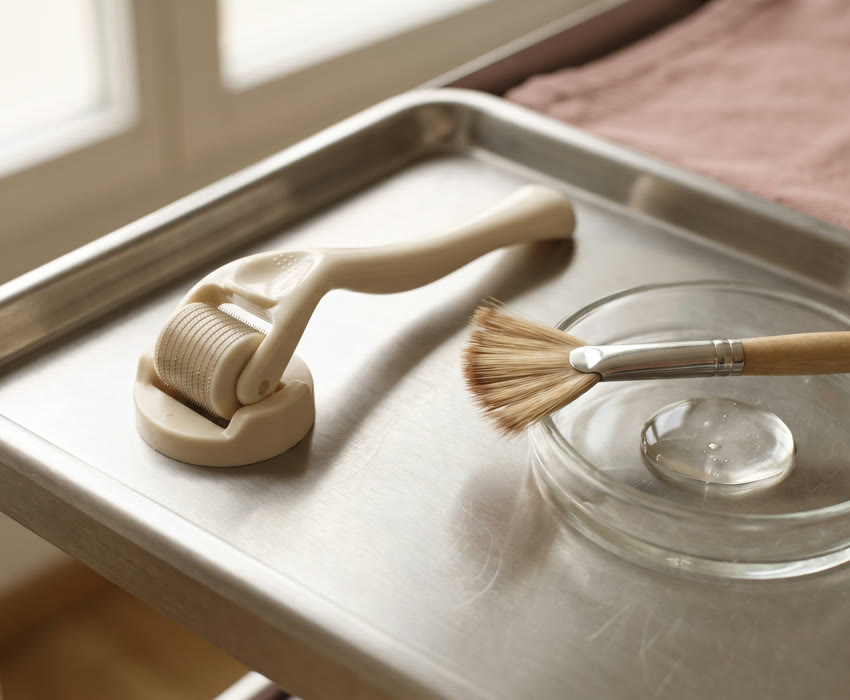
We advise against home rollers with needles that pierce the skin and against highly concentrated acids for home use. Both can injure the skin, encourage infection or leave scars.
When should you have it checked?
Have your skin examined if painful lumps or pus-filled spots keep appearing, or if new dents are left behind. In that case, assessing and treating the acne comes first. A dermaroller should not be used over inflamed spots or a skin infection. Once the inflammation has settled, it is easier to see where scars have remained. Our guide to acne gives an overview of the causes and the treatment of active inflammation.
During your consultation, mention if your wounds heal slowly, if previous injuries have left raised scars or if a dark mark stays visible for a long time after a spot. Especially in darker skin tones, pigment changes can occur after a treatment. Also tell us which medicines and acne products you use. This allows us to discuss whether a treatment is suitable for your skin and which care you will tolerate before and after.
How microneedling works at our clinic
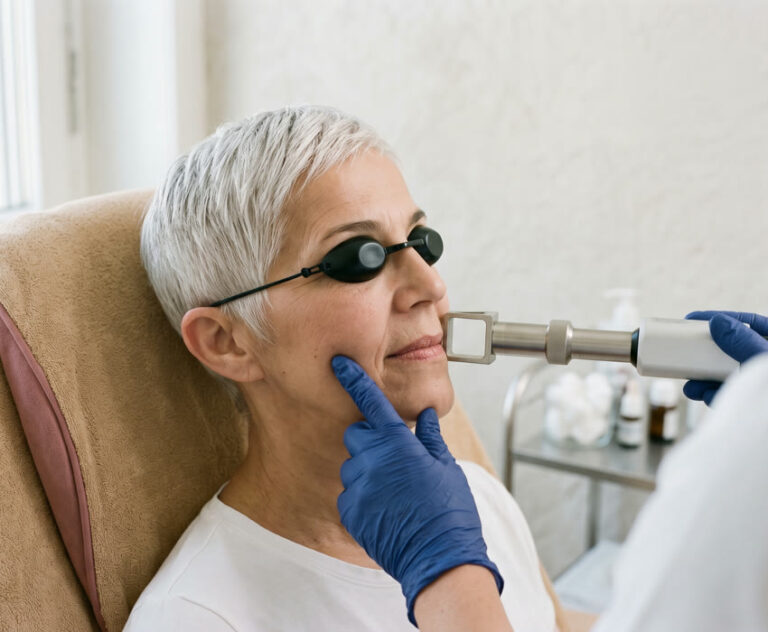
At the Swiss Derma Clinic in Zurich, we use a dermaroller for medical needling. After cleansing and disinfecting the skin, we apply a local anaesthetic cream. We then move the roller in different directions over the selected area and care for the skin afterwards.
If you are deciding between needling and a peel, ask what result you can expect for your specific area and how long the skin there may look visibly irritated. Plan the treatment so that you can avoid strong sun for a few days afterwards.
Frequently asked questions
Are all the tiny dots on my nose blackheads?
Not necessarily. Sebaceous filaments are often visible on the nose. These are small collections of sebum and skin cells in the hair follicle. They occur in healthy skin and appear as small, evenly spread grey to yellowish dots. You can leave them alone. A peel or needling is not medically necessary for them.
How soon can I judge a change?
After a superficial peel, the skin may flake for a few days. Wait until the surface has settled before judging the result. After needling, collagen formation takes longer. Changes in skin texture can develop over weeks to months. A fixed number of sessions or a duration of effect cannot be given for visible pores alone.
Can I combine both treatments at home?
Do not apply an acid peel yourself to freshly needled skin. After the punctures, the skin is particularly sensitive, and an acid can irritate it further. If both treatments are being considered for different concerns, first have it clarified what additional benefit the second treatment would actually bring in your case.
What is important after a peel?
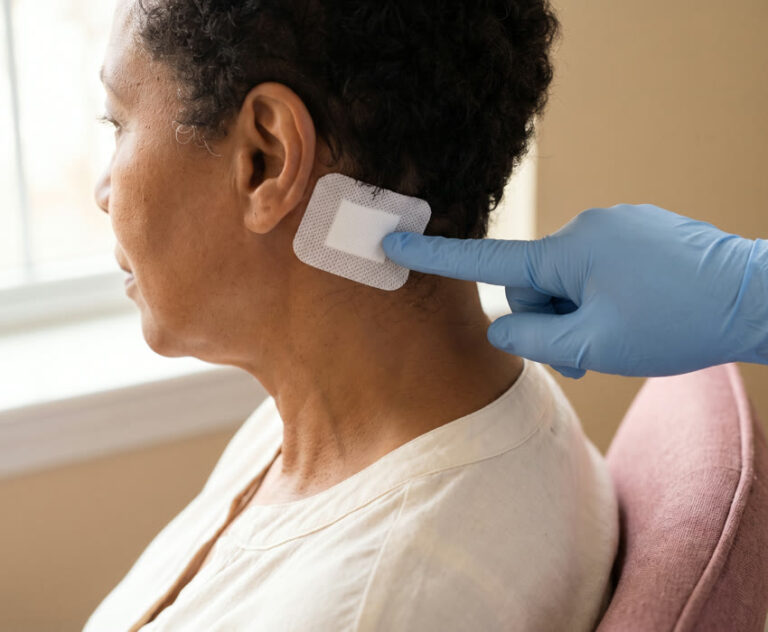
Care for your skin as instructed by the practice and protect it from the sun. Let loose flakes fall off on their own. Rubbing or peeling them off can injure the healing skin. If the burning gets stronger or the swelling increases, contact the practice. Ask there as well when you can resume your usual skincare products containing acids.
Do pores get larger with age?
Over the years, the skin loses firmness and the tissue around the pores provides less support. As a result, pores can become more visible, especially on the cheeks. Regular sun protection can help avoid speeding up this process further.
This article does not replace a medical examination.