In short: Autumn and winter suit many laser treatments because strong sun is easier to avoid before and after the appointment. That matters, because tanned skin and UV radiation can, depending on the procedure, make unwanted skin reactions and pigment changes more likely. The cooler months also make it easier to plan aftercare and a series of sessions. Whether they are the best time for you depends on your skin, the treatment and your holiday plans.
Why the sun affects your appointment
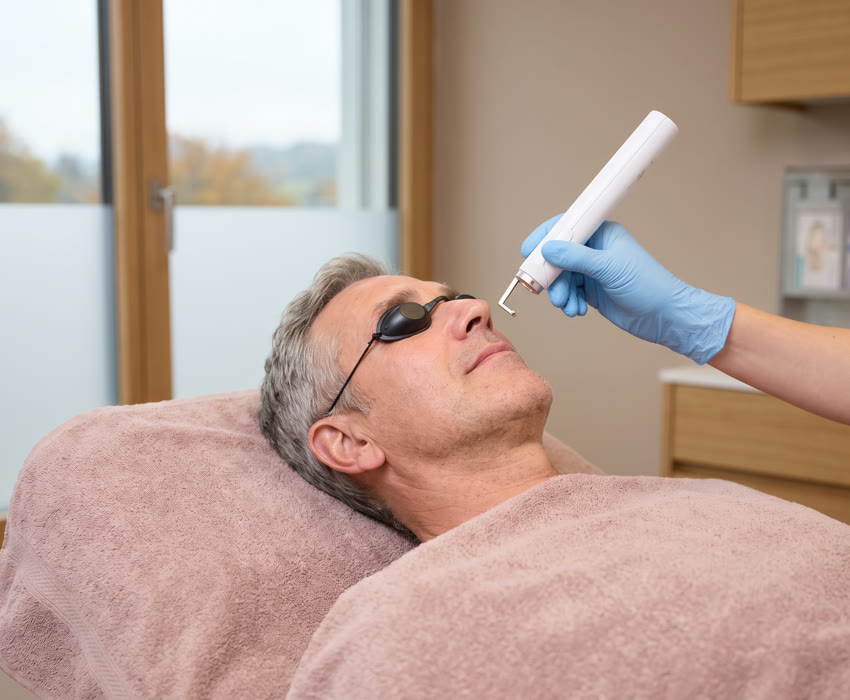
In a laser treatment, light is used to achieve a specific effect in the skin. Depending on the laser, the energy targets the skin pigment melanin, blood vessels or water in the tissue, for example. This is why not every treatment responds to a tan in the same way. With procedures that target pigment in particular, the pigment in the surrounding skin matters too.
A fresh tan is therefore more than a question of appearance. With certain laser procedures it can raise the risk of burns or colour changes. Sunburn is another reason to discuss the appointment beforehand. Have your skin assessed to see whether it is ready for treatment again, rather than going by the calendar alone.
The sun also plays a part after the treatment. Darker patches can develop after an inflammatory reaction, known as post-inflammatory hyperpigmentation. UV radiation can make these patches darker. The months with less sun make protection easier, but they do not remove this risk.
Which laser treatment are you planning?
„Laser treatment“ covers very different procedures. Treating individual age spots places different demands on the skin than hair removal or more intensive skin resurfacing. For your planning, the exact treatment matters more than the general rule of „having laser done in winter“.
| Treatment | What matters | Advantage of the darker months |
|---|---|---|
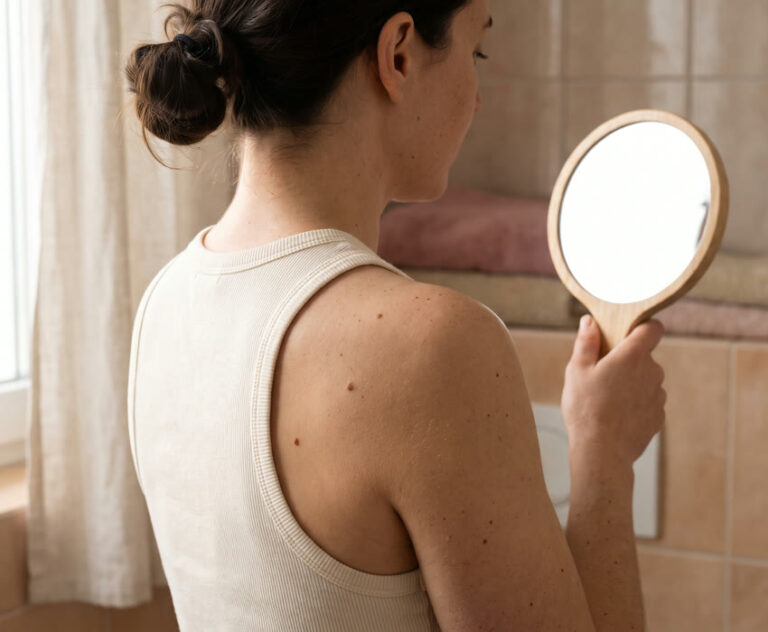
| Treatment of age spots | The skin change has to be assessed first. Pigment and skin type influence the choice of procedure. | The face and the backs of the hands are easier to protect from strong sun in everyday life. |
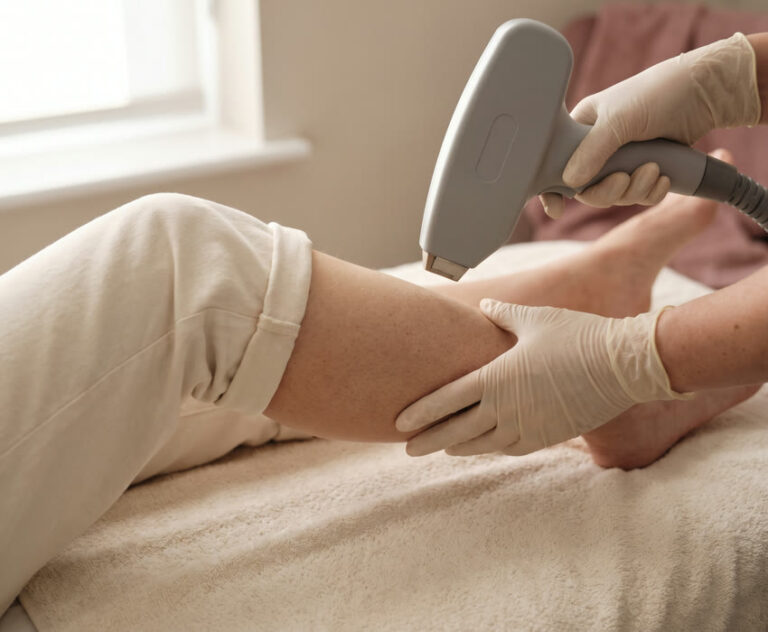
| Laser hair removal | Hair colour, skin colour and body area influence the treatment plan. A series is usually needed. | Several appointments are less likely to clash with sunbathing and beach holidays. |
| Laser skin resurfacing | After ablative procedures the skin needs a healing phase and tailored care. | Recovery and sun protection can be planned into your calendar deliberately. |
With age spots, the first step is to establish what kind of change it is. Not every brown spot is a harmless sun spot. Laser hair removal targets the hair follicles, and the follow-up appointments have to fit into your plans. You can read more in our article How many sessions does permanent laser hair removal take?
Skin resurfacing can be used for wrinkles or scars. „Ablative“ means that skin tissue is removed. In fractional laser therapy, small zones are treated while the skin in between is left untouched. Fractional does not automatically mean that the treatment needs no recovery time, however.
Finding the right time window
A good appointment does more than fit between two working days. It also has to suit what you have planned afterwards. If you travel to the sun in winter or spend a lot of time in the mountains, your situation differs from that of someone who spends most days in the Swiss lowlands.
Go through these points before you book:
- Recent sun: Tell us about sunny holidays, sunbed use, sunburn and any tan that is still visible. Mention self-tanning products as well.
- Upcoming holidays: Mention planned beach holidays, ski days or longer periods outdoors. A different date may turn out to be the better choice.
- Time for aftercare: Ask whether redness, swelling or crusting is to be expected and what that means for your daily routine.
- Further sessions: Discuss whether a series of treatments is planned. The intervals depend on your skin, not on how quickly you would like to be finished.
Starting early in the darker months gives you room to plan. It is not a promise that a particular result will be reached by summer.
Winter sun still matters
In the Swiss lowlands, UV radiation is weak from November to February. In the mountains it is stronger because of the altitude. The Swiss Cancer League points out that snow also reflects up to 90 per cent of the radiation. Cold and cloud can therefore easily mislead you about the actual exposure. Sunny autumn days can still call for consistent protection too.
Include ski holidays in your planning
A laser appointment shortly before a ski holiday is not automatically a good idea just because it is winter. Discuss the trip in advance. What counts is whether you can protect the treated skin well enough during the recommended aftercare.
General sun protection advice for healthy skin does not replace aftercare following a laser treatment. Treated skin needs the instructions that match your procedure and the way your skin is healing.
What matters after laser treatment
Aftercare includes keeping direct sun off the treated area and following the care routine you have been given. Clothing and shade complement sunscreen. After many laser treatments a high sun protection factor is recommended, for example SPF 50 with UVA protection. Sunscreen is not a licence to sunbathe, though.
When you may apply sunscreen, make-up or your usual skincare again depends on the procedure. After ablative treatments in particular, the skin needs tailored wound care. Do not apply new products to freshly treated or open areas without checking first.
Treat the skin gently and avoid rubbing and scratching. Ask when exercise, saunas and swimming are possible again. There is no single time limit that applies to all laser treatments. Keep up the aftercare for as long as agreed, even if the skin already looks normal again.
When to see a doctor
If a spot is new or changing, it should be assessed by a doctor first and only then, if appropriate, treated cosmetically. Moles are not age spots. Removing melanocytic naevi, a particular type of mole, with laser or IPL is prohibited in Switzerland. A suspicious skin change should therefore not wait for the next „laser season“.
Your natural skin tone is part of the assessment as well. Darker skin is not the same as a fresh suntan. Here the choice of laser and the settings are especially important, because pigment shifts can occur more easily. Also mention any medication, your skincare, previous cold sores and any tendency to noticeable scarring. Do not stop taking medication on your own for a laser appointment.
At Swiss Derma Clinic in Zurich we offer laser treatments for age spots, scars and unwanted hair growth, among other concerns. Whether a procedure suits your skin is something we clarify in a personal consultation. Bring your questions about the result, possible side effects and your holiday plans.
After a treatment, contact us straight away if blisters form or an area starts to produce pus. Do not treat changes like these on your own.
Frequently asked questions
Are laser treatments ruled out in summer?
Not as a rule. What counts is the procedure, the condition of the skin and whether you can avoid the sun. Whether a summer appointment is suitable is assessed individually. Autumn often offers more practical conditions, but it is not a requirement for every laser treatment.
How long do I have to avoid the sun before and after laser treatment?
There is no single time limit for all laser treatments. The instructions differ depending on the procedure and the condition of your skin. Ask for specific instructions before the appointment, including for the time between sessions, and make a point of mentioning any existing tan.
Do I need sun protection after laser treatment in winter too?
Yes, the agreed aftercare applies whatever the season. UV protection is especially important in the mountains and on snow. Ask how you should protect the area and from when sunscreen may be applied.
Does the cold improve the result?
No. The advantage is that strong sun is easier to avoid and aftercare is easier to plan. It does not follow that the skin heals faster or that the laser works better because of lower temperatures. The right procedure and individual treatment remain the deciding factors.
Can I have tanned skin treated in autumn?
The change of season does not make a tan any less relevant. Let us know in advance, including after a late holiday in the sun. Depending on the laser and the condition of your skin, the appointment may need to be postponed. An assessment makes more sense than a waiting period you set yourself.
This article does not replace a medical examination.