Dermatology

Mol­lus­cum con­ta­gio­sum is one of the most com­mon virus-rela­ted skin lesi­ons. They affect not only child­ren, but also ado­le­s­cents and adults. Usual­ly dis­co­ver­ed by chan­ce, they initi­al­ly remain wit­hout sym­ptoms. They often cau­se uncer­tain­ty: Are mol­lus­cum con­ta­gio­sum? Do they need to be trea­ted? Or do they dis­ap­pear by them­sel­ves? You can find the ans­wers in this article.


At the Swiss Der­ma Cli­nic, we encoun­ter mol­lus­cum con­ta­gio­sum regu­lar­ly, in dif­fe­rent age groups and mani­fes­ta­ti­ons. The con­di­ti­on of the skin and the indi­vi­du­al immu­ne sys­tem are decisi­ve for the cour­se and treatment.

Read more

What are molluscum contagiosum?

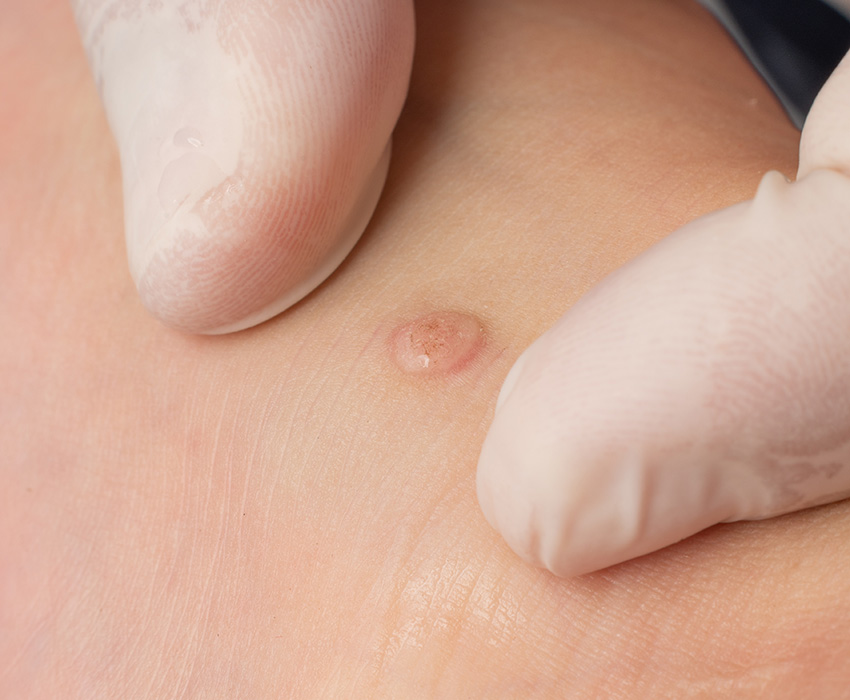
Molluscum contagiosum usually appears as small, smooth nodules with a central dent. They are benign, virus-related skin lesions. Although they occur more frequently in children , they also occur in adults, especially if the immune system is weakened, if there is an existing skin disease or after intensive skin stress. In adults, molluscum contagiosum is more common on the trunk, arms, legs or genital area. Molluscum contagiosum can occur individually or in groups.


How do molluscum contagiosum warts develop?

Warts are usually transmitted through direct skin contact or indirectly via shared objects such as towels or toys. They spread particularly easily in nurseries, schools, swimming pools or saunas. Wherever skin contact is frequent.

Good to know: Not every person who comes into contact with the virus automatically develops molluscum contagiosum. If the immune system is compromised or the skin barrier is impaired, the likelihood increases. People with neurodermatitis and dry skin are more likely to be affected.


Are molluscum contagiosum dangerous?

Molluscum contagiosum is harmless and not a sign of a serious illness. Nevertheless, they can spread or become infected. Especially if they are scratched open.

A specialist assessment is important and provides certainty, as molluscum contagiosum cannot always be clearly identified. In everyday life, for example, they can be confused with other warts, milia or small cysts.


Wait and see or treat?

Not every molluscum contagiosum needs to be removed immediately. In many cases, the disease heals on its own within months as soon as the immune system reacts. If there are only a few, non-inflamed lesions, it may be possible to wait and see.

We recommend treatment if:

  • molluscum contagiosum spreads
  • Inflammations occur
  • Itching and pain are present
  • In case of increased risk of infection


What treatment options are available?

At the Swiss Derma Clinic, we prefer gentle methods: depending on the situation, local external treatment, measures to prevent infection and skin barrier-strengthening skin care.


Holistic approach at the Swiss Derma Clinic in Zurich

We take the time to assess your skin condition and explain further measures in an understandable way. This also includes holistic measures. If you have any questions, please make an appointment at our practice in Zurich.


What else needs to be considered?

If molluscum contagiosum is present, avoid using shared towels, cover the affected areas in close contact with the skin, do not scratch the warts and use a gentle, moisturizing skin care product.
Dellwarzen Behandlung in Zürich

FAQ

Dellwarzen Behandlung in Zürich

How do I recognise molluscum contagiosum?

Molluscum contagiosum typically appears as small, skin-coloured papules with a characteristic central dimple. As the lesions can easily be mistaken for other skin changes or conditions, a dermatological assessment is advisable, particularly if the papules become inflamed. People with a weakened immune system, a compromised skin barrier, or skin irritated by shaving or friction are more prone to developing the condition.

Can molluscum contagiosum disappear on its own?

In some cases, molluscum contagiosum does resolve without treatment, but this can take months. Treatment is almost always advisable to prevent inflammation, scarring, or further spread.

How contagious is molluscum contagiosum?

Molluscum contagiosum is transmitted through direct skin contact or via shared objects. The risk of infection is moderate but can be significantly reduced through simple measures, such as a consistent skincare routine suited to your skin type and appropriate hygiene practices.

Can molluscum contagiosum return after successful treatment?

This is possible, particularly if the virus remains present in the surrounding skin or if the skin barrier is compromised. This is why a holistic approach that takes the overall condition of the skin and the patient's lifestyle into account is so important.

Our Q&A texts are by no means a substitute for a medical consultation. For an individual and well-founded medical assessment, we recommend a personal consultation at the Swiss Derma Clinic. We are happy to take the time for you!

Table of contents
Search
Jetzt anrufen
WhatsApp schreiben
Mail verfassen
Contact on WhatsApp
Option auswählen
Consultation 1st Visit
Select your option
Consultation 1st Visit
All dates

December 24, 2024, to December 27, 2024: No dermatology consultations or aesthetic treatments.

December 23, 2024, December 30, 2024, and December 31, 2024: Dermatology consultations available.

December 24, 2024, December 27, 2024, and December 28, 2024: Cosmetic treatments available.

December 20, 2024, and December 31, 2024: Cosmetic treatments available.

January 1, 2025, to January 2, 2025: No cosmetic treatments or dermatology consultations.