UV-induced skin changes: What happens in the skin
UV light attacks the skin on several levels. It promotes the formation of free radicals, which are unstable molecules that damage cell structures. At the same time, the breakdown of collagen is accelerated. Collagen is a structural protein that is responsible for the firmness and elasticity of the skin.
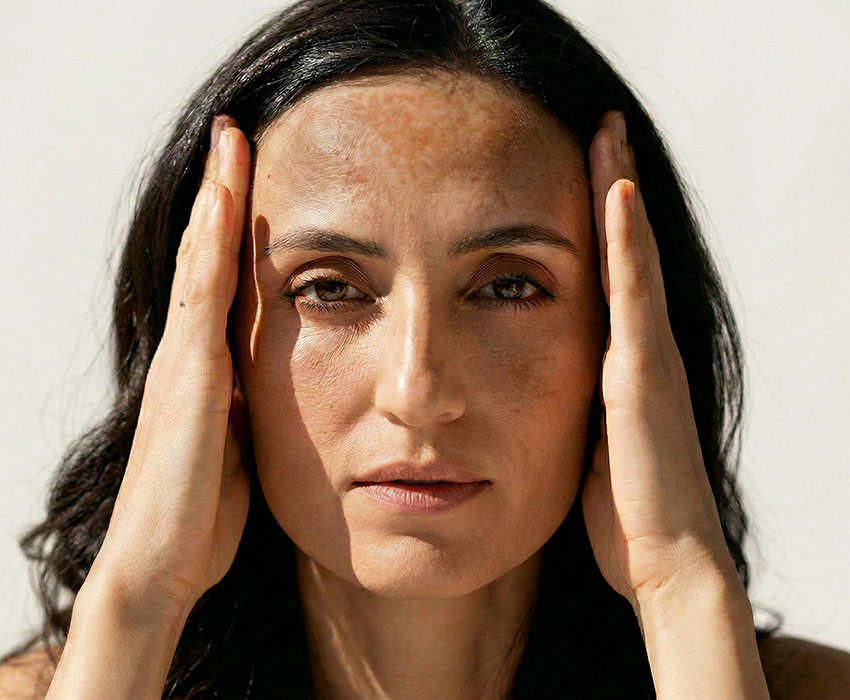
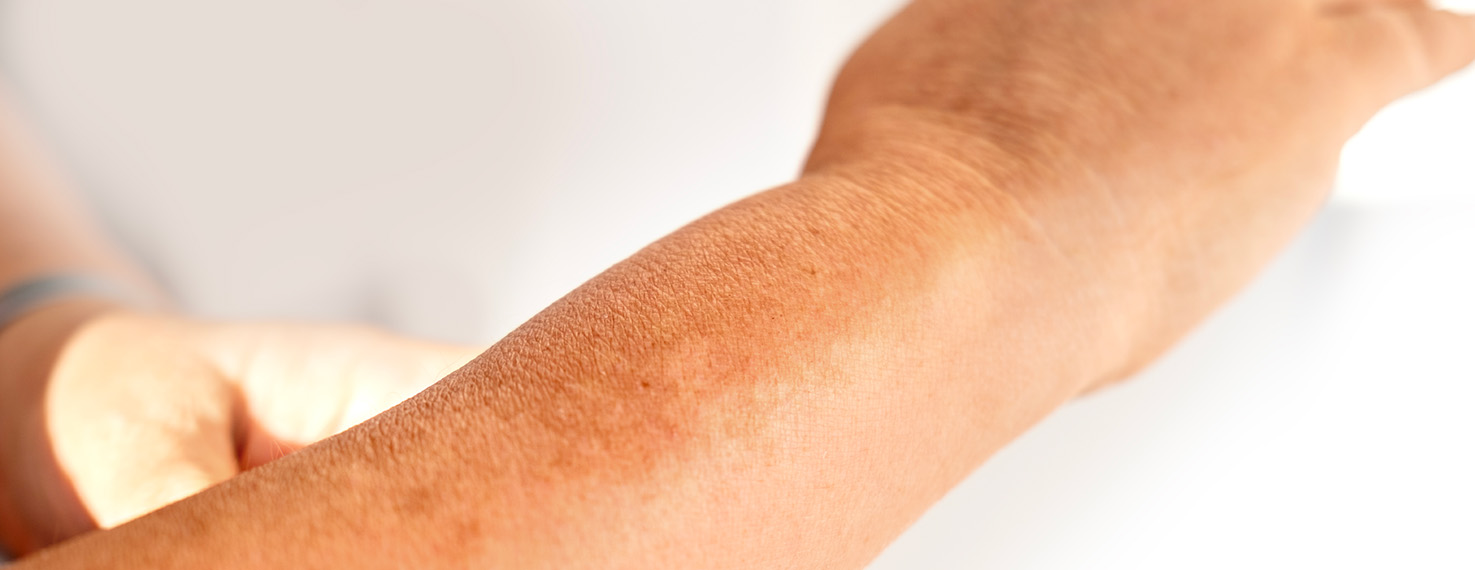
Pigment formation also becomes unbalanced. This causes irregular deposits to form, which become visible in the form of sun or age spots. Vascular changes can develop in deeper layers of the skin, which appear on the skin as permanent redness.
Typical signs of light damage
Light-damaged skin shows a characteristic picture. Several changes are often present at the same time:
- Pigment spots and uneven skin tone
- Creases and deeper folds
- Sagging skin structure
- Visible veins (telangiectasia)
- Rough, thickened skin areas
In some cases, so-called actinic keratoses develop. These are rough, scaly skin changes that are considered to be precursors of light skin cancer and should definitely be clarified.
Skin analysis: the basis for the right treatment
First of all, we are concerned with the precise assessment of the skin. We look at the visible appearance of the skin and differentiate between purely cosmetic changes and medically relevant findings.
The examination is carried out with dermoscopy and, depending on the findings, with additional skin analysis. Particular attention is paid to conspicuous pigment changes, as skin cancer must always be ruled out or detected at an early stage.
Only on this basis can we decide together with you which treatment makes sense.
Treatment of photodamage: structure, pigment and vessels
The treatment depends on the type of photodamage.
For example, we use laser or light-based procedures for pigmentation disorders. Excess pigment is removed and the skin tone is gently evened out.
Vascular changes can also be treated with laser, depending on the skin condition.
To strengthen the skin structure, we use procedures that stimulate the formation of new collagen. Fractionated laser treatments (CO2 laser), ultrasound, medical needling, modern radio frequency or biostimulators. These help the skin to renew itself from the inside out.
Why combinations make sense
Photodamage rarely affects just one layer of the skin. Pigmentation, blood vessels and structures change in parallel.
Therefore, a single treatment rarely leads to the desired result. A coordinated concept in which we take several levels into account usually makes sense.
Prevention: the most important part of treatment
Consistent UV protection remains the most important measure, even after successful treatment. Otherwise, photodamage can develop again.
This includes suitable sun protection with a high sun protection factor, avoiding intensive UV exposure and regular specialist skin checks.
The Swiss Derma Clinic in Zurich
The examination and treatment is carried out by experienced dermatology specialists. We specialize in the latest analysis and treatment methods and will create a sensible treatment concept for you.
Have you noticed irregular pigmentation spots, redness or visible light damage? Have this skin assessed by a specialist - at the Swiss Derma Clinic in Zurich.