In brief
A house dust mite allergy is an allergic reaction to the excretions of house dust mites. Symptoms include an urge to sneeze, a blocked nose, watering eyes, coughing or skin problems, especially indoors and in the morning after getting up. At the Swiss Derma Clinic, the assessment is carried out using allergological diagnostics. Treatment includes avoiding the allergen, special medication if needed and, where required, immunotherapy.
Why house dust mites can trigger complaints
House dust mites are microscopically small arachnids that prefer warm and humid areas. They find favourable conditions in beds and textiles.
The allergic reaction is triggered by protein components taken up via the airways. The immune system reacts hypersensitively with inflammation of the mucous membranes and, in some cases, of the skin as well.
As the exposure indoors exists all year round, the complaints occur permanently or recurrently.
Typical symptoms of a house dust mite allergy
The symptoms resemble an allergic cold and show up as:
- a blocked or runny nose
- sneezing fits
- itching of the nose or eyes
- watering or reddened eyes
- an urge to cough, especially at night
- a feeling of pressure in the area of the sinuses
- skin rash or eczema (neurodermatitis) flare-ups
Some patients report sleep problems or morning complaints directly after getting up. With stronger allergic exposure the lower airways can also be involved. In some cases allergic asthma develops.
House dust allergy and the skin: what role does neurodermatitis play?
A house dust mite allergy can cause itching, redness and irritation as well as inflammation on the skin. People with neurodermatitis and sensitive, chronically dry skin are more frequently affected.
How the diagnosis is carried out
At the Swiss Derma Clinic we discuss your complaints and plan the examinations accordingly. We are particularly interested in when and where the symptoms occur, whether they differ depending on the season and whether you have permanent complaints.
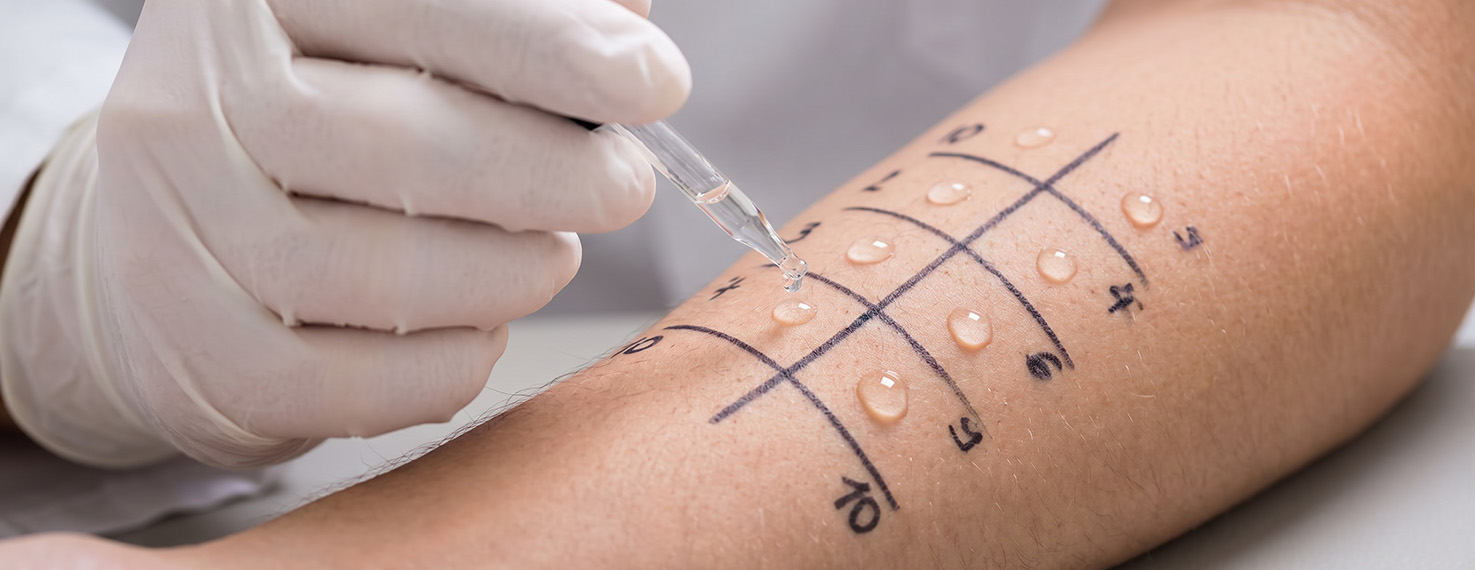
Allergological diagnostics include skin tests or blood tests for IgE antibodies against house dust mite allergens. We assess the test results in the context of your actual complaints. Because: a positive reaction to an allergy test does not automatically mean that an allergy requiring treatment is present.
Treatment: reducing complaints and relieving the airways
Treatment at the Swiss Derma Clinic is always carried out individually.
A special role is played by the consistent reduction of the allergen load – through mite-proof bed covers, regularly cleaning textiles, reducing carpeting as far as possible, and a balanced indoor climate.
Depending on the severity of your complaints, we can prescribe anti-allergic medication – for example nasal sprays or antihistamines.
For stronger or long-term symptoms, a specific immunotherapy is possible. This gradually accustoms the immune system to the allergen.
Why early treatment makes sense
Untreated allergies can worsen over time. In some of those affected the complaints shift from the upper to the lower airways. This so-called “floor change” can contribute to the development of allergic asthma.
Early diagnostics help to classify complaints better and to initiate suitable measures in good time. We do this for you, at the Swiss Derma Clinic in Zurich.
Your specialists in Zurich
In our practice, experienced specialists in dermatology and allergology are available to you throughout. With allergic complaints, differentiation is important: which allergy is present, what role do environmental factors play and which treatment suits the individual situation?
Have your complaints clarified by an allergologist and arrange your appointment here.