The most important facts in brief
Lipoedema is a chronic, often painful fat distribution disorder. Many patients complain of heavy legs that are sensitive to touch, an increase in symptoms during the course of the day and the realization that diet and exercise hardly bring any change. Basic therapy often includes compression, exercise and, depending on the findings, manual lymphatic drainage. If symptoms persist, liposuction can be useful and improve quality of life in the long term.
Lipoedema mainly affects women. Men can be affected in rare cases. However, only a few cases have been described in the medical literature. This makes careful diagnosis all the more important, as not every symmetrical increase in fat on the legs or arms is lipoedema.
When you should think about lipoedema
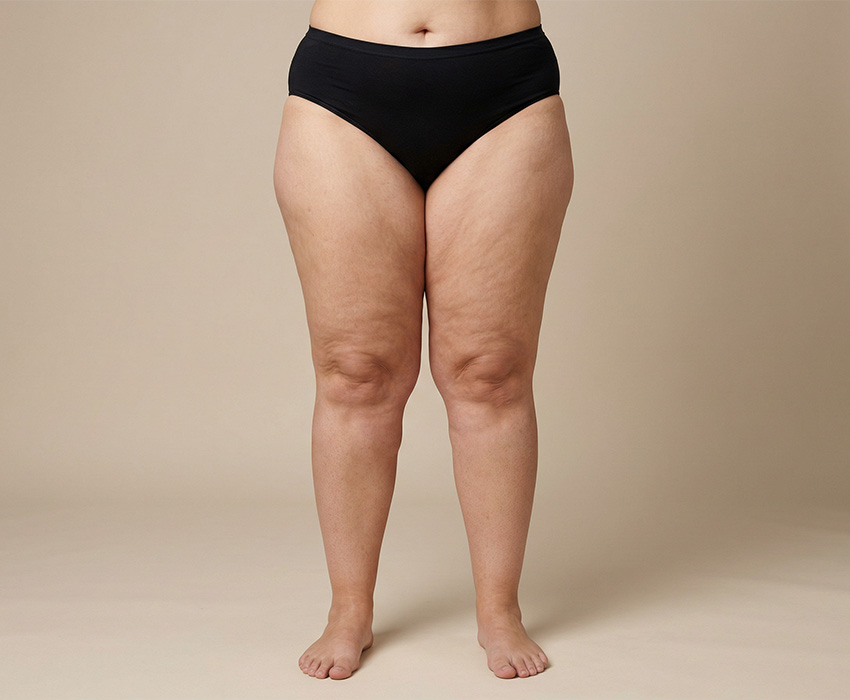
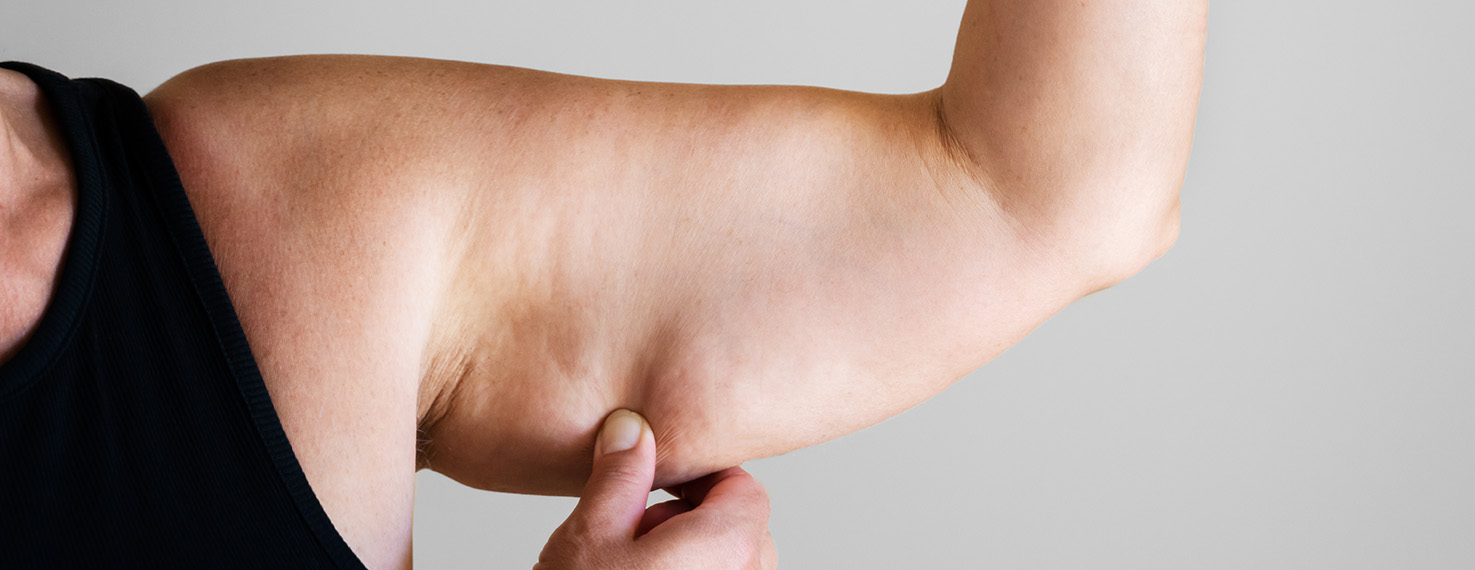
The symptoms are unspecific at first glance. What is suspicious is an increase in fat, which appears on both sides of the thighs and lower legs or on the arms and is clearly distinguishable from the rest of the body. This is often accompanied by pressure pain, a feeling of tension, rapid bruising and increasing sensitivity of the tissue. Feet and hands often appear slimmer in comparison.
A reliable diagnosis is only possible on the basis of a clinical examination and in differentiation from lipohypertrophy. In the latter, the focus is on the increase in fat, while in lipoedema the focus is also on pain.
The treatment of lipoedema at the Swiss Derma Clinic
If pain, tenderness, restricted movement or a significant increase in tissue volume persist despite conservative treatment, surgical treatment may be considered. Liposuction can improve symptoms and quality of life in the long term.
The gentle operation relieves the tissue. The contour appears more defined and harmonious. Many of our patients report significantly more mobility and activity.
How the procedure works
During surgical treatment, the abnormally increased fatty tissue is removed using special cannulas, usually based on the tumescent technique or water-jet assisted procedures. The tissue is relieved and the lymph channels, vessels and surrounding structures are spared.
Depending on the extent of the lipedema, we can plan the treatment in several sessions.
After the treatment
Compression is still necessary for a certain time after the operation. This reduces swelling and helps to shape the treated area. In some cases, exercise therapy or lymphatic drainage may also continue to be useful.
It is important to have realistic expectations of the treatment result: liposuction can significantly improve lipoedema. The individual predisposition is not affected. This is one of the reasons why the treatment should always be seen as part of a longer-term concept.