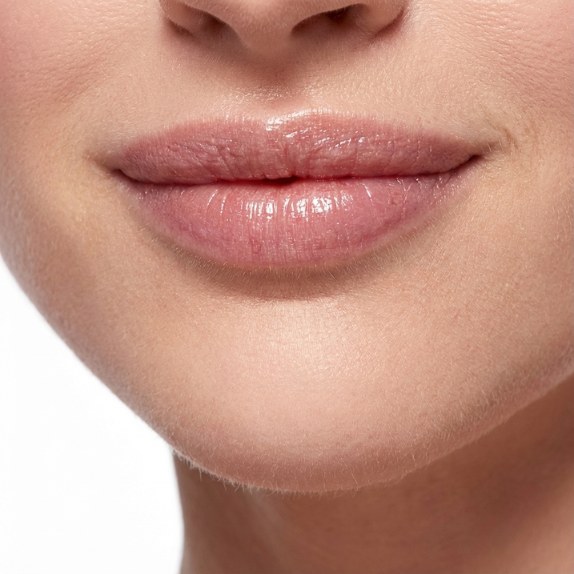
It starts subtly. The slight sagging of the cheek area, barely visible at first. The face looks a little more tired. The skin loses tension. The profile is less clear, the contour appears softer – and with it the expression. Something has changed without you being able to say exactly what. Does this scene look familiar to you?
Quite a few of our patients are familiar with this situation. When the cheeks start to sag, the face looks older. This is a question we often hear in our practice: „What can I do to make my contour firmer again?“ And: „How can I get rid of my sagging cheeks, naturally and without a facelift?“
Aesthetic medicine has developed rapidly in recent years. Today, we have effective and gentle approaches at our disposal – from radiofrequency needling and hybrid injections with calcium hydroxyapatite to thread lifting and face sculpting. face sculpting for men and women. In this article, we give you an insight into the latest methods. The reading time? Just 5 minutes.
What is behind sagging cheeks
What we colloquially call „sagging cheeks“ is the result of several changes:
- The volume of the middle cheek shifts downwards.
- The skin is less elastic.
- The retaining ligaments of the face loosen and the fatty tissue below the chin line becomes more prominent.
These effects are intensified by the natural breakdown of collagen from around the age of 30. This means that sagging cheeks are a visible consequence of skin ageing. And they are unique to each individual.
A miracle cream would of course be perfect, but this does not yet exist. What does exist are well thought-out treatment concepts. Modern skin tightening is one of the specialties of the Swiss Derma Clinic in Zurich.
What really helps? And what doesn’t?
Much used and almost always overrated: classic creams, skin oils against cellulite, facial massages and untargeted skin tightening with unsuitable devices. Pure cosmetics nourish, but they do not lift the skin. So it is of no use for sagging cheeks. Why? What really causes sagging lies deeper: in the so-called SMAS layer. This is where the fasciae are located, which are responsible for the sagging of the skin. Effective tightening of sagging cheeks is based on three mechanisms of action:
Tightening, volume modeling, tissue strengthening.
Our methods at a glance:
- Lifting without a scalpel
Lifting without a scalpel are treatments that restore skin tension and lift the tissue, ideally without any downtime. Possible procedures:
- Sofwave®highly focused ultrasound, which can influence the SMAS layer.
- Innovative thread liftingwhich forms supporting structures in the tissue and is particularly suitable for mild sagging cheeks.
- Genius® a combination of radiofrequency and needling that strengthens the deep structure and regenerates the skin from the inside out.
- Biological boosters: for structure, elasticity and glow
In order to not only conceal skin ageing, but to actively influence it, we need to provide biological stimuli.
- Bioboost with laserwhich stimulates skin regeneration. Suitable in combination with growth-stimulating active ingredients.
- Exosomeshighly active cell messengers that reorganize the tissue and restore its natural elasticity.
- Profhilo®Bio-Remodeling, with structure-improving hyaluronic acid.
- Modeling instead of filling
A common mistake with sagging cheeks is to correct the face upwards with volume. Too much filler makes the proportions look unnatural. Face sculpting and skin tightening with skin tightening with HArmonyCa®a hybrid of filler and biostimulator, are more effective. With both procedures, we can slightly sculpt the cheek area and also stimulate collagen production.
Which method is right for you depends on many individual parameters. We will be happy to discuss these during your visit to us – at the Swiss Derma Clinic in Zurich.
Why less is often more
The treatment of sagging cheeks is not an „all or nothing“ procedure. It is not about changing your face, but about preserving your natural expression. It’s about finding the right balance between firming and volume, the balance between visible effect and subtle naturalness.
Sometimes a gentle lift with Sofwave® is enough. In other cases, the combination of thread lifting and Bioboost brings the best results. And sometimes structural regeneration is needed before sculpting can take place.
Sagging cheeks: What you can do yourself
- Activate the right facial muscles: There are numerous advertised exercises on the internet for the chin, cheek and neck muscles. These may slightly support the facial contour, but are no substitute for tightening the tissue.
- Avoid nicotine, fats, sun and alcohol: A balanced diet, good UV protection and giving up smoking can slow down the ageing process.
- Massage rollers as a supplement to skin care: These can promote blood circulation in the short term and also stimulate lymph flow in the superficial area (e.g. in the case of malar bags). However, they have no effect on skin ageing and deeper tissue layers.
Questions and answers
Are sagging cheeks „just“ skin ageing?
Sagging cheeks result from a complex interplay of tissue ageing, fat redistribution, loss of muscle tone and sagging support structures. Rapid weight loss or a genetic predisposition also play a role. In some people, sagging cheeks appear at a young age.
Which is better: volume or firming?
Neither, we achieve the best results with the right combination. In the early stages, a structure-building procedure such as Profhilo® or Genius® is often sufficient. In more pronounced cases, additional lifting (e.g. Sofwave®, thread lifting) or light sculpting (HArmonyCa®) is required.
How long do the results last?
Depending on the method, the results last between six months (with Profhilo) and up to two years (with thread lifting, HArmonyCa®). Biological procedures such as exosomes or Bioboost improve skin quality sustainably and therefore often permanently. Refreshes after a few months are recommended for most treatments.