Key facts
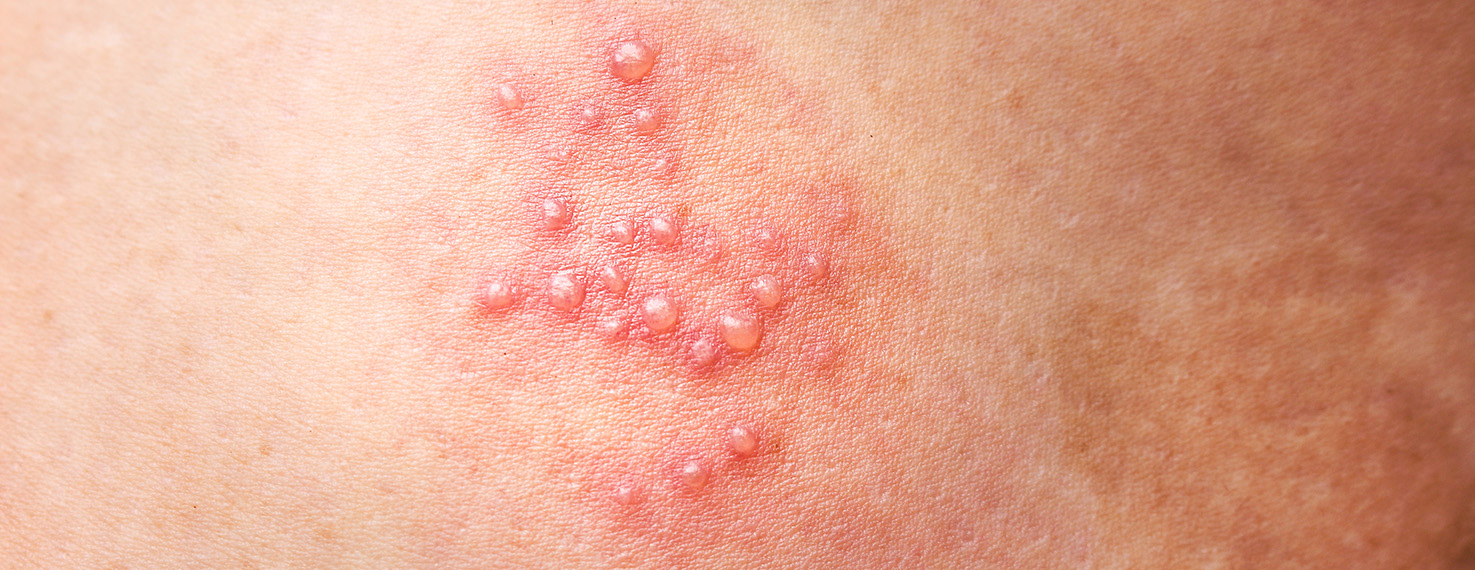
Herpes simplex is a viral infection that typically affects the lips or the genital area. Symptoms range from tingling, burning and itching to small blisters and sore skin, similar to cold sores. An infection may also remain unnoticed. Treatment involves specific antiviral medication and creams.
The virus is transmitted through contact with the skin or mucous membranes. After infection it remains in the body and may become active again, even years later.
Symptoms and course
Herpes simplex is caused by two closely related types of virus:
- HSV-1 mainly affects the mouth and face and commonly causes cold sores. It can also be transmitted to the genital area.
- HSV-2 mainly affects the genital and anal areas.
The virus type therefore cannot be determined from the affected area alone.
Antiviral medication can influence the course of the infection, but it cannot completely remove the virus from the body or the affected nerve cells.
Possible triggers
The virus may be reactivated by:
- intense UV exposure
- infections accompanied by fever
- physical exertion
- emotional stress
- hormonal changes
- injury
- surgical procedures in the affected area
- a weakened immune system
Genital herpes
Genital herpes affects the external genital organs or the area around the anus.
Typical symptoms include:
- small clusters of blisters
- sore or superficially open areas of skin
- burning and itching
- pain when urinating
- pressure or nerve pain in the genital area
- swollen lymph nodes
- fever and a general feeling of illness
Most infections cause only mild symptoms or no noticeable symptoms at all. A large proportion of HSV-2 infections remain unnoticed. The first episode is often more severe and uncomfortable.
How is herpes transmitted?
The virus is transmitted through contact with infected skin or mucous membranes, for example through:
- kissing
- sexual contact
- direct contact with herpes blisters or open sores
- touching an affected area and then another part of the body
How is it diagnosed?
The appearance and course of the symptoms already provide important information. If necessary, we take a swab and send it to the laboratory, where the virus can be detected and typed. In many cases, a visual diagnosis is sufficient.
Treatment
Antiviral creams can be useful at the first sign of tingling. Depending on the findings, we may prescribe antiviral tablets.
Common active substances include:
- aciclovir
- valaciclovir
- famciclovir
Antibiotics are not effective against herpes viruses.
Herpes during pregnancy
A first genital infection towards the end of pregnancy requires particular attention. The virus may be transmitted to the baby during birth.
Tell your gynaecologist about new blisters, suspicious symptoms or a known herpes infection.
Your treatment at the Swiss Derma Clinic in Zurich
Skin changes in the genital area can have different causes. If a herpes infection is confirmed, we tailor the treatment to the affected area. If outbreaks recur, we discuss suitable preventive measures and early treatment options. Arrange your appointment in Zurich.
Your treating doctor in Zurich
The dermatological examination and treatment is provided at the Swiss Derma Clinic by Dimitrios Argyropoulos, a doctor specialising in dermatology and aesthetic medicine. His focus is on the careful assessment of skin changes and allergy-related complaints and on treatment tailored to the individual patient.